

with Character in Junior Tennis
USTA SOUTHERN CALIFORNIA
USTA SOUTHERN CALIFORNIA
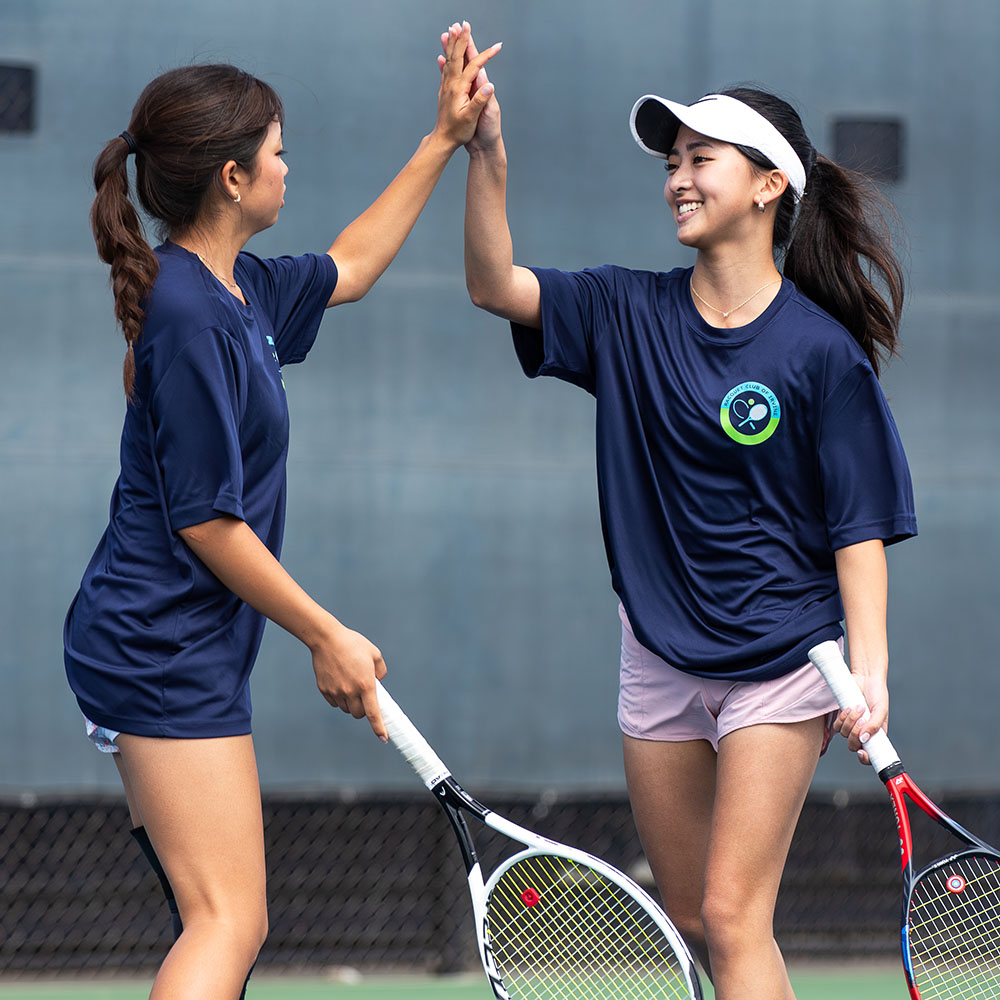
Tennis is often celebrated for the unique bond it creates between competitors, serving as a masterclass in character development, resilience, and lifelong friendship. In Southern California, a global epicenter for tennis excellence, the tennis community has long produced athletes who are not only accomplished competitors, but also respected leaders among their peers.
As the stakes of junior tennis rise, the distinction between competitive intensity and intimidation has become increasingly important. Tennis demands focus, grit, and resilience, but maintaining a culture of respect is essential to the long term health of the sport. Every player should feel welcome, valued, and empowered to compete at their highest level.
The Modern Language of Rankings and Ratings
The landscape of junior tennis has evolved with the introduction of ranking points like the World Tennis Number (WTN) and other ranking systems. These tools are designed to support fair competition, assist with seeding, and help players track development, find appropriate matches, and set meaningful goals.
Problems arise when these numbers shift from tools for development into tools for comparison or intimidation. Comments such as “I shouldn’t even be losing games to you,” or remarks about an opponent’s ranking during a match shift the focus away from competition and toward status. Whether driven by frustration or gamesmanship, they can leave an opponent feeling unwelcome or undervalued.
Every player who enters a draw has earned the right to be there through hard work and dedication. Whether a top seed or a first time competitor, each player deserves the same level of respect.
A rating is a snapshot of past performance, not a measure of a player’s worth. It does not determine the outcome of a match or grant permission to diminish an opponent. Rankings and WTNs are meant to be a compass for development, not a cage.
The SoCal standard is simple: let the game, not status, do the talking. Tennis is at its best when effort, improvement, and competition remain the focus.
Defining the Line Between Grit and Cruelty
Tennis is a mental game. Intense focus, resilience, and competitive fire are expected. But there is a clear difference between competing hard and crossing into behavior that undermines sportsmanship. True sportsmanship is not the absence of competitiveness. It is the ability to compete with intensity while still treating opponents with respect.
There is a common misconception that toughness requires a cold or harsh demeanor. In reality, elite competitors are defined by where they direct pressure. Real mental toughness is discipline, focus, and composure under stress while maintaining respect for the opponent.
When frustration turns into comments about an opponent’s ranking, status, or ability, it has moved from competition into intimidation. These moments often reflect a loss of control rather than competitive strength. The most effective response is inward: focus on strategy, footwork, breathing, and the adjustments that influence the match.
Respecting an opponent does not reduce competitive intensity. It often raises it. A tough opponent is not someone to be verbally overcome, but someone who brings out a higher level of play. The strongest competitors let their tennis do the talking.
Why Character Matters
Bullying is not part of the game, and it is not harmless trash talk.
Under the Friend at Court, officials may issue Code Violations for unsportsmanlike conduct and verbal abuse. Players who degrade opponents, use intimidation, or make inappropriate comments may face penalties during competition.
The impact often extends beyond a single match, whether it occurs on court, at the net, on the sidelines, in group chats, texts, or social media. These behaviors can affect confidence, enjoyment of the sport, and a player’s long term relationship with tennis.
At the same time, character remains one of the most important qualities in the sport. College coaches and recruiters look beyond rankings and results. They evaluate how players handle adversity, treat officials and tournament staff, and conduct themselves after competition ends. Integrity, resilience, leadership, and respect matter as much as performance.
While the rules provide consequences, the goal is not compliance out of fear. It is a culture where respect is the expectation. Officials help maintain fairness, but players define the spirit of competition.
How a player treats others is remembered long after rankings change or trophies are forgotten.
The Power of the Upstander in Tennis Culture
Tennis culture in Southern California is shaped by players as much as coaches and officials. Leadership extends beyond matches into practice courts, lounges, group chats, and social media. It is reflected in how players speak about one another and respond to adversity.
Negative ranking talk, exclusion, and gossip can discourage participation and erode the community.
Players are encouraged to be upstanders. That means celebrating others, supporting peers after setbacks, and refusing to participate in behavior that mocks or isolates fellow competitors. Silence allows negativity to persist. Upstanders interrupt it, redirect it, and refocus the conversation on the sport. Small actions create lasting impact.
A Note for Parents and Coaches
The support of parents and coaches is essential to a junior player’s development and often forms the foundation of their growth through competition.
At the same time, players need space to compete independently. Junior tennis teaches athletes to advocate for themselves, solve problems under pressure, and build resilience without outside intervention.
While the instinct to protect a child is natural, stepping in during a match can hinder that development. Yelling over calls, confronting opponents, or attempting to resolve disputes from the sidelines can signal that a player is not ready to manage competitive responsibility.
One boundary must remain clear. Under no circumstances should a parent approach, confront, or lecture an opposing junior player.
Concerns about officiating or sportsmanship should never be handled directly. Per USTA regulations, match management belongs to the players, who may request assistance from roving officials or court monitors when needed.
Stepping in may feel protective, but it can quickly become match interference and adult to child intimidation. A stronger environment is one where players communicate directly, follow proper procedures, and develop independence through competition.
Parents play a critical role by maintaining calm support, teaching tournament procedures, and reinforcing how and when to seek help from officials.
Character Beyond the Scoreboard
College coaches, recruiters, and tennis leaders are looking for more than rankings and results. They are looking for players who demonstrate integrity, resilience, respect, and leadership on and off the court.
Southern California has a long history of producing champions such as Billie Jean King, Tracy Austin, Serena and Venus Williams, and Bob and Mike Bryan, athletes who are remembered as much for their character as for their titles. The most lasting legacies come from those who combine fierce competition with genuine respect for everyone on the court.
A player’s value is never defined by a ranking system, and no number gives permission to be unkind.
Rankings change. Results fade. Trophies collect dust. Character lasts forever.