

Dr. KyoungBin Im Explains Why
USTA SOUTHERN CALIFORNIA
USTA SOUTHERN CALIFORNIA
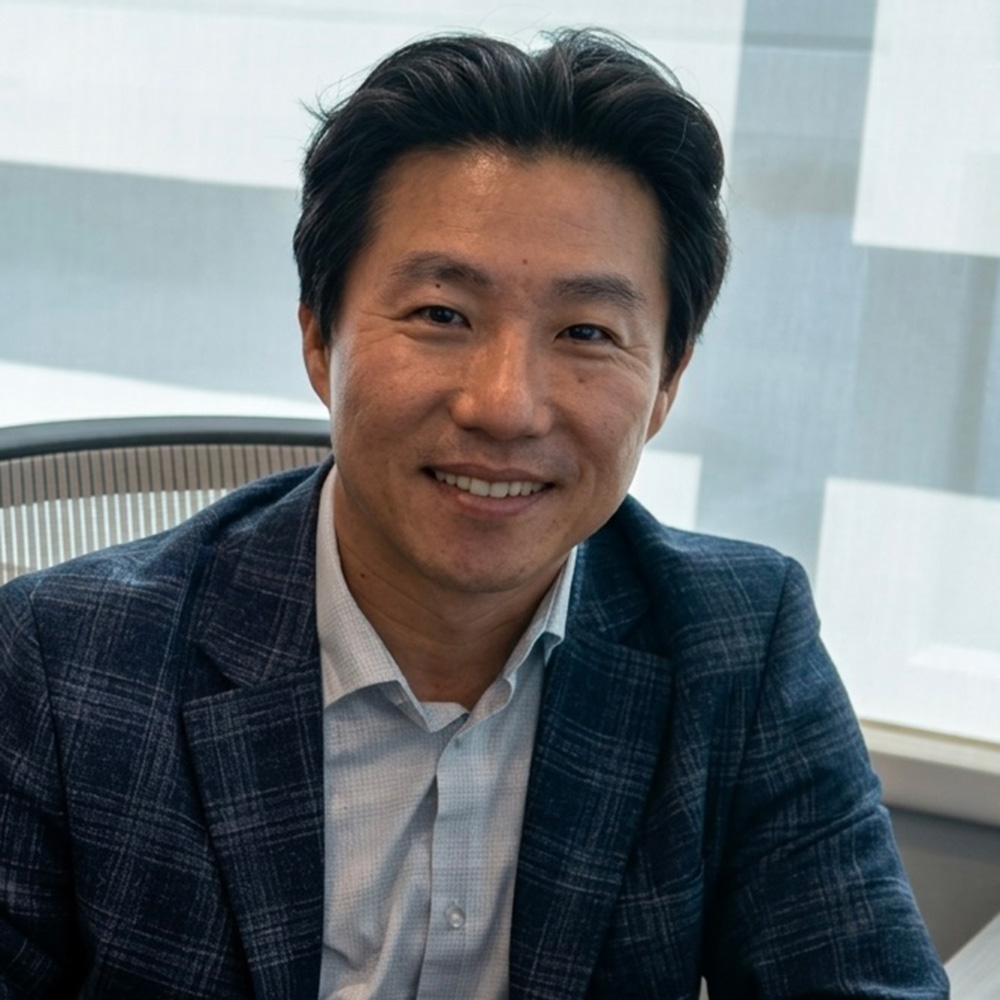
Top: Dr. KyoungBin Im at work.
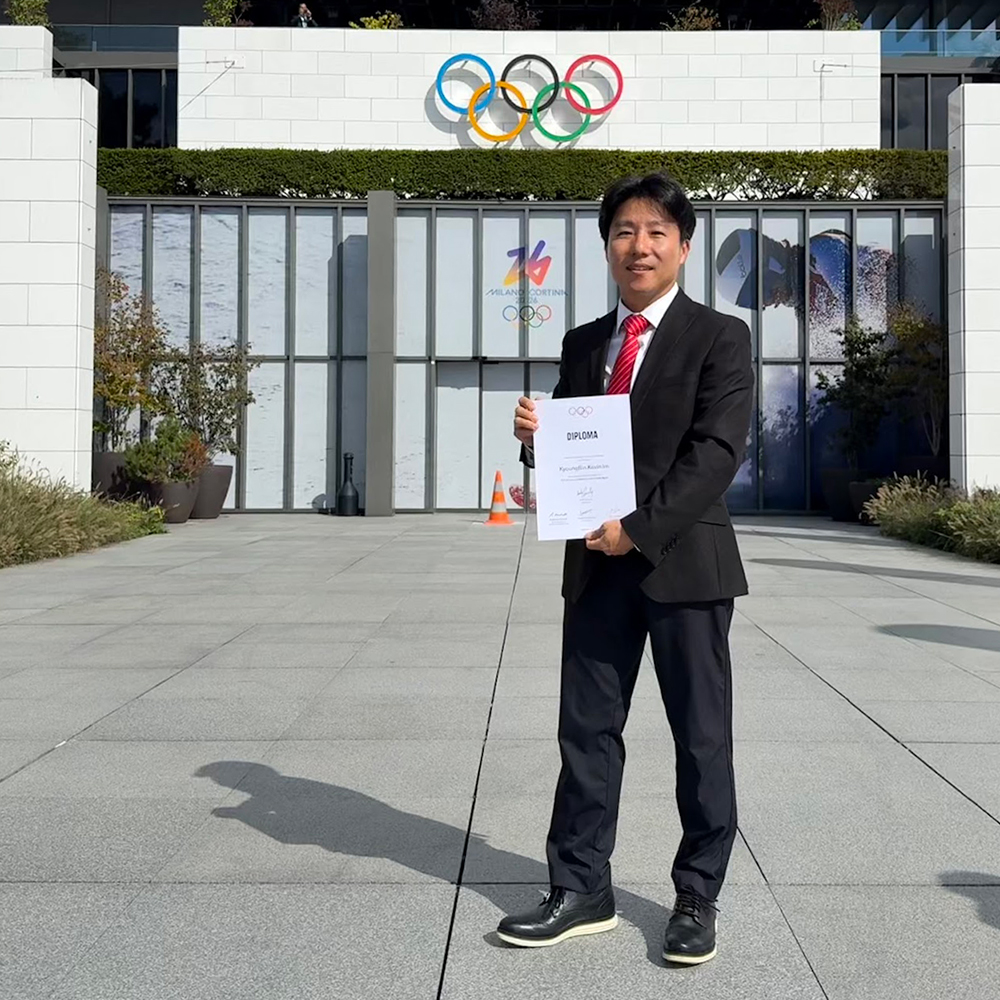
Middle #1: KyoungBin stands proudly outside the Olympic House in Lausanne, Switzerland, holding his IOC Diploma in Sports Psychiatry in September 2025.
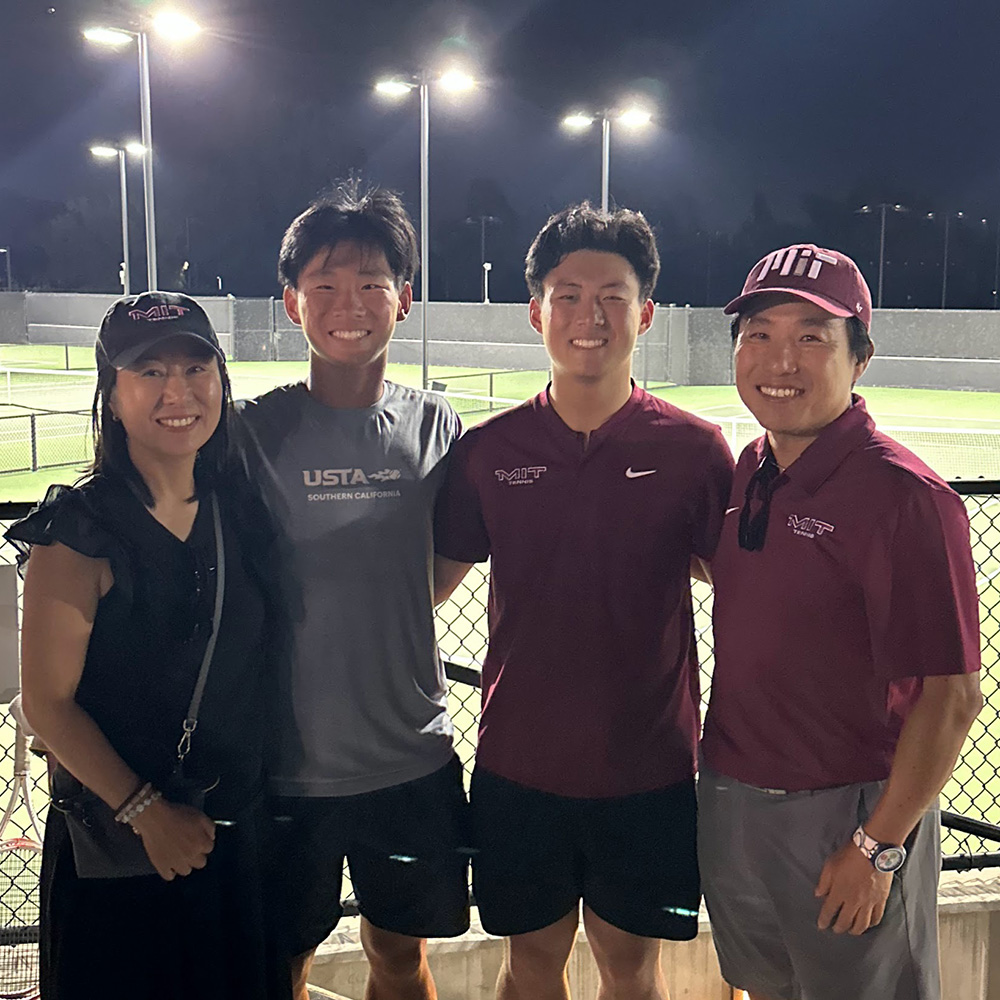
Middle #2: KyoungBin with his wife Kate and two sons JiHyuk (left) and SangHyuk (right).
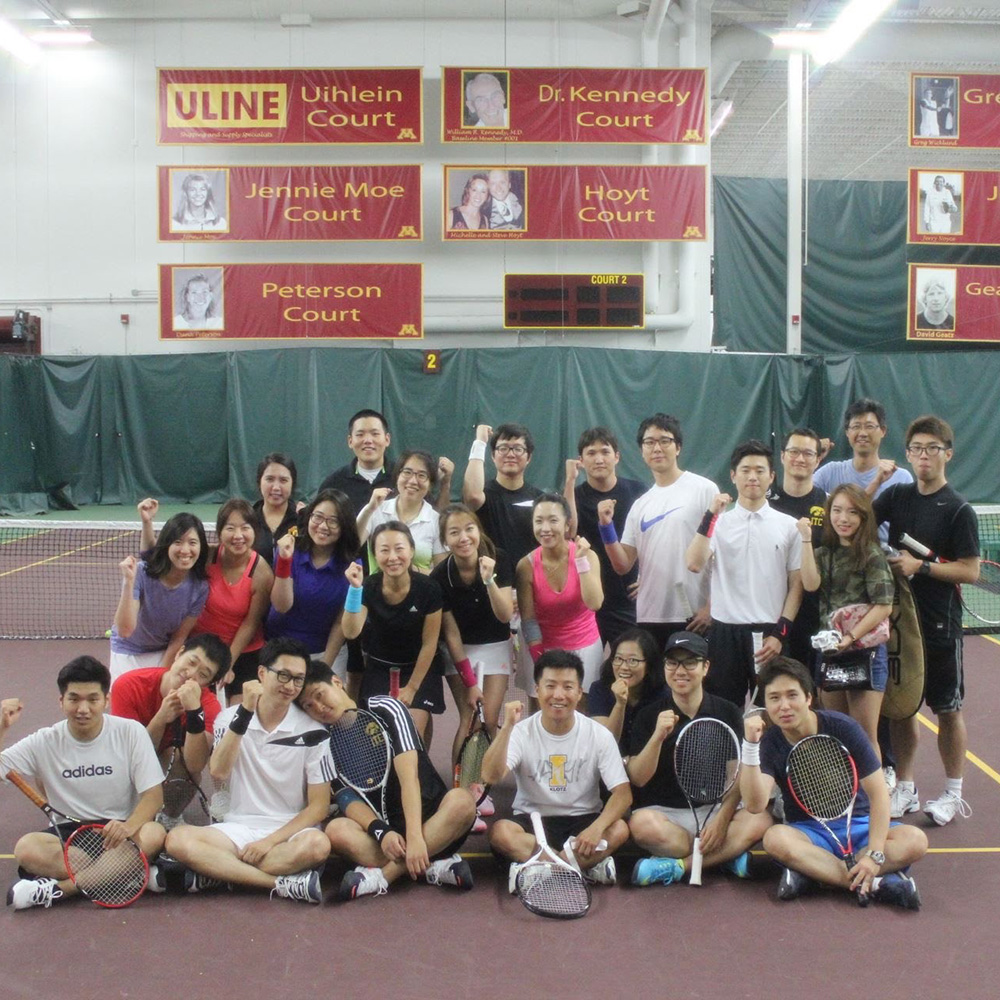
Bottom: Dr. KyoungBin Im and his college tennis club team posing on a court in Chicago, September 2016.
Photos: Dr. KyoungBin Im at work; Dr. Im outside the Olympic House in Lausanne, Switzerland, with his IOC Diploma in Sports Psychiatry, September 2025.
For years, research has pointed toward tennis as the healthiest sport in the world. Studies have linked it to improved cardiovascular health, better mental health, stronger cognitive function, and longer life expectancy. But do those benefits only apply to elite tennis players?
According to Dr. KyoungBin “Kevin” Im, the answer is no.
In fact, Dr. Im believes casual players may actually be in one of the best positions to benefit from the sport. As a Professor of Clinical Psychiatry and Human Behavior, Founding Director of Sports Psychiatry Services, and Medical Director of Sleep Medicine at the University of California, Irvine—as well as an avid tennis player and parent—he has seen firsthand how tennis can positively impact overall health.
“For a lot of recreational players, tennis is great for both physical and mental health and the lifestyle in general,” he says. “I think it’s one of the healthiest and safest sports at that level.”
For Southern Californians surrounded by year-round sunshine and thousands of public courts, National Tennis Month offers the perfect reminder that the sport poses numerous benefits for players of all ages and abilities. Whether someone joins a league, rallies with friends, plays in clinics, or simply hits against a wall a few times a week, it can be a lifelong wellness activity that supports the whole body and mind.
Discovering and Rediscovering Tennis
Before he became a sports psychiatrist and sleep medicine specialist, tennis shaped his own life—from childhood through parenthood and into his medical career. Growing up in Seoul, South Korea, Dr. Im became interested in the sport early on. “In Seoul, the focus was so heavily on academics. But at my elementary school, we had a tennis team that was consistently one of the top teams in the country. I really wanted to play tennis, and after begging my parents, I finally started taking tennis lessons one summer when I was 13,” he explains. “In South Korea, when you get lessons—whether it’s sports or music—you actually get lessons every day, so I practiced daily for 30 minutes all summer long. Within about three months, I had improved enough to beat one of the players from that elementary school team. I was really into tennis at the time. But unfortunately, around the late 80s, a lot of the tennis courts in Seoul disappeared as high-rise apartment buildings replaced many of the open spaces and courts.”
Although access to tennis became limited as Seoul rapidly urbanized, the sport never fully left Dr. Im’s life. Years later, while training, teaching, and practicing as an internal medicine and psychiatry physician at the University of Iowa, he rediscovered the game through the university’s club tennis team. His passion for the sport quickly reignited, so much so that he moved from the Missouri Valley to Southern California in 2019—not only to pursue a career at UC Irvine, but also largely because of tennis.
“Many people ask me, why did you move? I loved everything about life in Iowa City at the University of Iowa, but tennis was in fact one big reason,” he shares. “My wife and I have two boys and both of them play tennis at a relatively high level. The older one is playing Division III at MIT, and the younger is one of the top ranked Southern California juniors in high school.”
A Personal Path to Sports Psychiatry
Between the court accessibility, abundance of tournaments, and excellent weather, Southern California quickly felt like home for the Im family. At that time, UC Irvine had also just redesigned and reopened the sleep disorder center under the psychiatry department, where Dr. Im helped develop the sports psychiatry division. Given his personal and family connection to athletes and his medical expertise, the move and opportunity to advance this field felt like a natural fit.
“I’ve been working in sports psychiatry for about five years now,” Dr. Im says. “It’s still a relatively underrecognized field within psychiatry, but many major universities—especially those with strong NCAA Division I athletic programs—have started building dedicated sports psychiatry and mental health programs. While the NCAA currently mandates that schools provide designated mental health professionals for student-athletes, many university hospitals have gone a step further by creating specialized programs focused specifically on athletes’ well-being.”
For Dr. Im, the work is deeply personal—not just professional. As tennis became a larger part of his family’s life, it also began shaping his professional interests. Watching his sons compete at a high level exposed him to the emotional pressures many athletes and parents quietly navigate.
“What initially drew me to the field was my own experience as a tennis parent,” he explains. “My sons compete at a high-performance, elite level, and I personally experienced a lot of emotional ups and downs myself. I’ve watched my children, their peers, and many other parents navigate significant stress and challenges.”
Those moments sparked a deeper interest in understanding the unique mental and emotional pressures athletes and families face.
“At the time, I assumed there must already be mental health professionals specializing in this area,” he says. “When I looked into it, I discovered that sports psychiatry did exist—and that it was a rapidly growing field. That realization inspired me to pursue the specialty further…I now collaborate closely with the university’s athletics department and student-athletes.”
Last year, Dr. Im expanded his expertise globally through the International Olympic Committee (IOC)’s mental health program, where he earned a diploma in Sports Psychiatry focused on mental health in athletes. He completed the program in September 2025 at the Olympic House in Lausanne, Switzerland, the global headquarters of the IOC. The experience further enhanced his work supporting athletes at both the collegiate and recreational levels.
Why Tennis Benefits Everyone
While much of Dr. Im’s professional work focuses on athlete mental health, he emphasizes that tennis’ greatest value may lie in how accessible its benefits are to everyday recreational players. Unlike many forms of exercise that focus primarily on either strength or cardio, tennis naturally combines multiple aspects of fitness at once.
“Nowadays, people are heavily invested in zone training,” he explains. “What’s great about tennis is that depending on whether you play doubles versus singles, there’s different cardiovascular and exertion levels.”
While playing singles can significantly improve cardiovascular endurance and VO₂ max—the maximum volume of oxygen your body can consume and utilize during intense exercise—doubles offers more moderate “zone 2” cardio that can improve heart health, stamina, and recovery.
Beyond cardio, tennis develops balance, coordination, agility, flexibility, and muscular endurance. Because players constantly change direction and react in real time, the sport activates multiple muscle groups while also sharpening the brain and reflexes.
“You’re moving, reacting, thinking, coordinating, and staying socially engaged all at the same time,” he remarks. “You really have to be creative too depending on what kind of ball is coming to you. It’s not just a motor reaction. It’s actually more like decision making through your brain that can become an exercise. There’s very strong evidence that racquet sports like tennis help cognitive function.”
The Power of Presence
In today’s screen-heavy, fast-moving world, one of tennis’ biggest strengths is its ability to demand full attention in the present moment.
“In tennis, you’re not supposed to look at your phone, especially if it’s an actual USTA match,” Dr. Im explains. “Even in my amateur recreational matches, I don’t look at my phone and all my focus is on the tennis. You’re actually allowed to put everything aside and keep your mental focus on that time, even though you may have a lot of things going on with your life.”
He continues, noting this ability to stay present and screen-free is key for stress management and mental strength. “It’s a great way of managing your stress. You also basically build up your own mental training. You lose, and you have to accept the situation and move on. Just playing a tennis match itself can be therapy.”
That mental reset can be especially valuable for recreational players juggling work stress, school pressures, parenting responsibilities, or everyday anxiety. For an hour or two, tennis provides a structured environment where the outside world temporarily silences.
Sleep Health and Performance
As a sleep medicine specialist, Dr. Im also sees a strong correlation between tennis and sleep habits. Because tennis engages both the body and mind so intensely, good sleep health becomes an important part of overall performance. However, it’s often easier said than done to calm your nerves and sleep well before a match or tournament. Rather than attempting to bury those thoughts, Dr. Im says to accept them and know that one bad night of sleep will not affect your performance unless you allow it to.
“Having flexible thoughts about sleep or difficulty with sleep is important,” he shares. “It’s so natural to have some form of either anxiety or nervousness that can keep you from falling asleep or staying asleep the night before a match. So you really need to accept it. Don’t try to think, ‘I have to sleep for eight hours for my best performance tomorrow.’ It’s not going to be that way.”
In reality, what really affects poor performance on court is not just one night of sleep deprivation, but the repeated accumulation of poor sleep quality over time. Maintaining a relatively consistent sleep schedule is important for on-court performance, no matter what your skill level may be.
A Recreational Player’s Approach
For the everyday recreational player, Dr. Im stresses that perfect routines or elite-level habits are not needed in order to benefit from tennis. In fact, one of the sport’s greatest strengths is how adaptable it is across different ages and stages of life. Dr. Im encourages players returning to the game to focus on stretching, gradual progression, and consistency rather than immediate performance.
“Don’t try to go back to the level that you think you can play,” he advises. “I think you need to focus on more of the cardiovascular aspect at the beginning. Think of tennis as a way of reaching or accomplishing your weekly exercise goal. Focus on zone 2 exercise, VO₂ max, and then resistance training.”
For beginners, he recommends simply getting on court regularly. “Hitting at least twice a week is great, even if it’s just hitting against a wall,” he says. “Play as frequently as possible while remembering to have fun.”
A Lifelong Sport for All
For Southern Californians, there may be no better time to start playing tennis than National Tennis Month.
“We’re lucky living in Southern California,” Dr. Im says. “You can enjoy tennis outdoors year-round. It’s a great way to spend time with family, friends, and loved ones while improving your health.”
And perhaps that’s the biggest takeaway of all: tennis does not require perfection, elite skill, or competition to positively impact your life. That flexibility is one reason tennis remains playable across generations.
“Compared to many sports, tennis allows people to continue participating later into life,” Dr. Im says. “You can adjust the intensity, format, and frequency while still benefiting physically and mentally.”
From beginner rallies with friends to weekly match play, tennis can benefit the casual recreational player to the most elite, no matter your age or skill level. It can strengthen the heart, sharpen the mind, improve mood, and build meaningful community for years to come.