

Southern California’s US Open Legacy
USTA SOUTHERN CALIFORNIA
USTA SOUTHERN CALIFORNIA
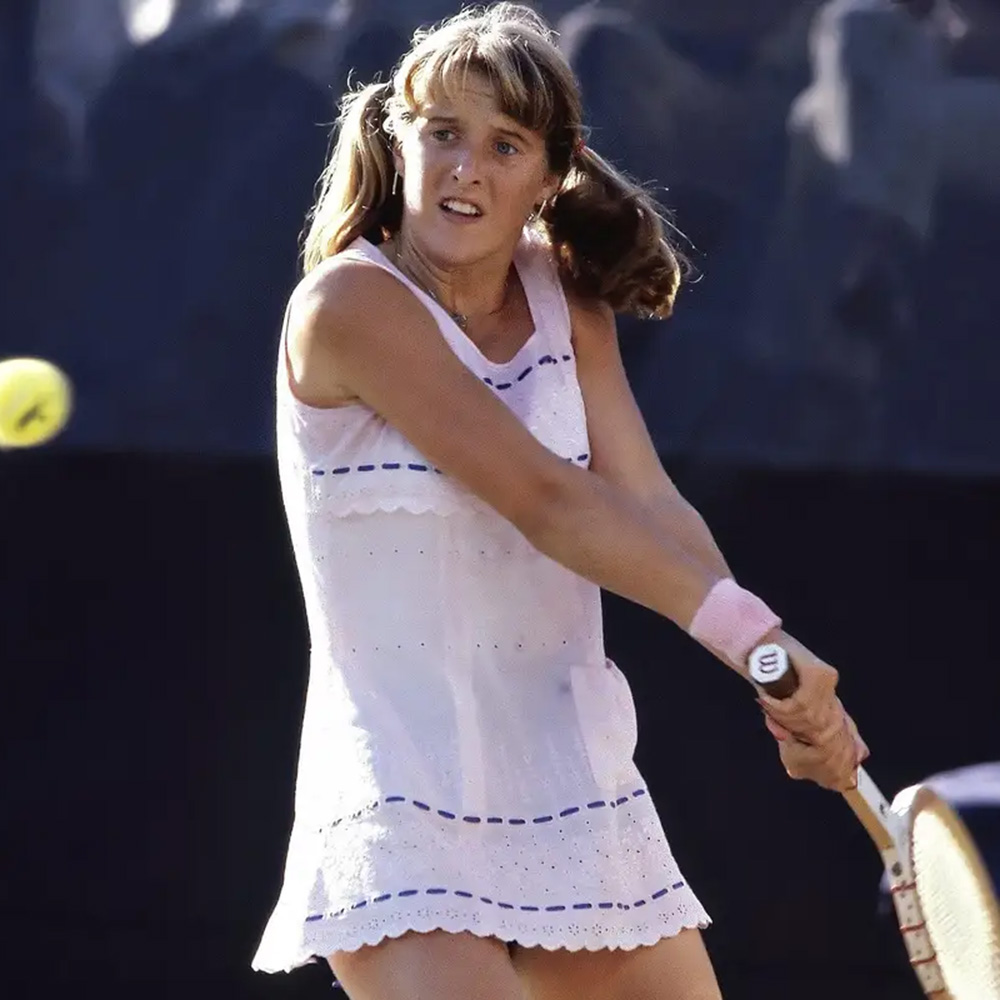

Top: Tracy Austin hits a two-handed backhand during the 1979 US Open.
Middle: Venus Williams hits a backhand during a women’s singles match at the 2025 US Open in Flushing, NY. (Photo – Garrett Ellwood/USTA)
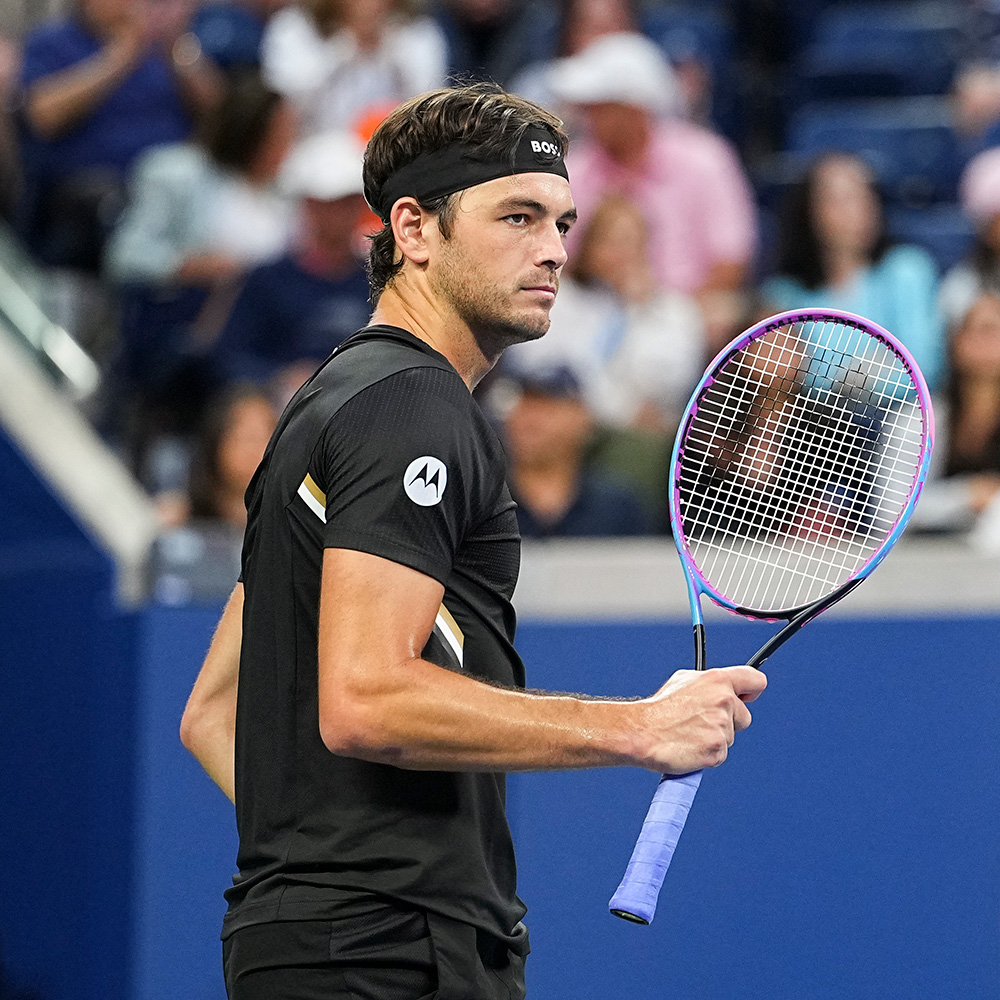
Bottom: Taylor Fritz reacts during a men’s singles match at the 2025 US Open. (Photo – Garrett Ellwood/USTA)
Above: Tracy Austin during the 1979 US Open; Venus Williams during the 2025 US Open. (Photo – Garrett Ellwood/USTA)
Tennis has a way of connecting generations.
A parent teaches a child how to hold a tennis racquet. A coach passes along a lesson learned from their own playing days. A young player watches a champion and decides they want to try the sport themselves.
Then the cycle begins again.
Few places tell that story better than Southern California, a region whose courts, clubs, schools, and communities have helped shape American tennis for generations.
The Champions Who Came Before
From Long Beach to Compton, Los Angeles to San Diego, Southern California has been home to some of the most influential players in tennis history.
Billie Jean King learned to play on public courts in Long Beach. She went on to win 12 Grand Slam singles titles, including four US Open championships, and become one of the most influential figures in sports history. Her legacy extends far beyond her achievements on the court. As a champion for gender equality, King helped create greater opportunities for women in professional tennis and became a powerful voice for equality in sports and society. Her journey from public courts in Southern California to the biggest stages in the world became an example of what was possible.
Tracy Austin grew up in Rolling Hills and became a trailblazer for a generation of young American players. At just 16 years old, she became the youngest US Open women’s singles champion in history when she won the title in 1979. Her success showed how quickly a young player could rise to the highest levels of the sport and gave countless juniors a champion they could look up to.
Pete Sampras, a Palos Verdes local, became one of the defining players of his generation. With 14 Grand Slam singles titles, including five US Open championships, he helped define an era of American men’s tennis.
Then came Venus and Serena Williams, who emerged from Compton and transformed the sport in ways few could have imagined. Their success did more than add trophies to the record books. They challenged expectations, broke barriers, and showed another generation of young players that they could see themselves competing at the highest levels of the sport.
Michael Chang developed his game in Encinitas before becoming the youngest men’s singles champion in Roland Garros history at 17. His breakthrough became another example of how Southern California could help produce players capable of making history on the world’s biggest stages.
For another generation, Chang became that player to watch.
One of those young fans was Learner Tien, who grew up in Irvine looking up to Chang as a role model. Today, that relationship has come full circle. Chang, once the young player inspiring a generation, is now helping guide Tien as his coach.
Tien has already begun writing his own chapter. At 16, after graduating high school and winning the 2022 USTA Boys’ 18s National Championship, he earned a wild card into the US Open men’s singles main draw. He became the youngest player in the field that year and has competed in the US Open main draw ever since, growing from a teenager making his Grand Slam debut into one of the top-ranked players on the ATP Tour.
The connection between Chang and Tien captures something special about tennis. The player who once inspired a young fan is now helping guide him at the highest level, creating a direct link between two generations of Southern California tennis.
A Legacy Still Being Written
That bridge between generations is not limited to the players who reach the biggest stages. It can also be seen in the millions of people who continue to pick up a racquet across Southern California.
Tennis is growing across the country, too. In 2025, a record 27.3 million Americans played tennis, a 6 percent increase in just one year. Since 2019, participation has grown 54 percent, adding nearly 10 million players to the sport over six consecutive years of growth.
Southern California is at the forefront of that national growth. In 2025, approximately 2.6 million people played tennis in the region, a record high and a 4.7 percent increase from the previous year. Since 2020, participation in Southern California has grown 37 percent, from 1.9 million players to 2.6 million.
The section has ranked first among all USTA sections in participation rate for four consecutive years. With an 11.9 percent participation rate, roughly one in every eight people age six and older in Southern California played tennis in 2025.
Players are also playing more often. Southern California recorded 69.3 million tennis play occasions in 2025, a 9 percent increase from the previous year and a 42 percent increase since 2021. The number of core players, those who play tennis 10 or more times per year, increased by 133,000 in 2025.
The numbers tell a larger story. The tennis culture built by generations of players is continuing to expand, bringing more people onto courts, into communities, and into a sport that can become part of their lives for years to come.
Today, Taylor Fritz, Brandon Nakashima, Learner Tien, and Iva Jovic represent different stages of the region’s current generation, and all four have reached the Top 20 of their respective tours. Fritz, Nakashima, and Tien have established Southern California as a force in the ATP Top 20, while Jovic has emerged as one of the WTA Tour’s brightest young stars.
The 2026 US Open offers another opportunity to watch this generation take the next step.
For three weeks in New York, the world’s best players will compete under the lights of Arthur Ashe Stadium, on the outer courts and across the grounds of the Billie Jean King National Tennis Center. The tournament runs from August 23 through September 13 and includes 22 days of tennis and entertainment, from Fan Week and qualifying to junior and wheelchair competition and the championship matches.
For Southern California fans, the US Open is also a chance to see Team SoCal take its place on one of tennis’ biggest stages at the largest Grand Slam.
Jovic, who grew up in Torrance, returns to New York for her third US Open appearance at just 18 years old. This year, she enters the tournament as a seeded player and one of the field’s top talents after reaching the Australian Open quarterfinals, winning her first WTA title in 2025 and becoming the youngest American woman’s singles champion since 2021.
With four Southern California players now among the Top 20 of their respective tours, the region’s presence at the US Open represents more than individual success. It reflects the depth of a tennis community that continues to develop players capable of competing at the highest levels.
More Than the Players on the Court
The significance of the US Open, however, extends far beyond the players whose names appear in the draw. The tournament is a reminder of what happens when generations invest in a sport and create opportunities for the next one: a champion inspires a junior, a junior finds a coach, a coach helps develop a competitor, a competitor becomes a mentor, and that mentor eventually inspires another young player to pick up a racquet.
That cycle is happening every day throughout Southern California.
It happens at public parks and private clubs. At high school courts and college facilities. At community centers and neighborhood courts. At junior tournaments, adult leagues, and adapted tennis events. It happens when a volunteer gives their time, when a parent drives to a weekend tournament, when a coach stays for one more drill, or when someone invites a friend onto the court for the very first time. That is what makes a tennis community, and it’s why the legacy of Southern California tennis cannot be measured only in Grand Slam titles.
Yes, the region has produced champions. It has produced Hall of Famers, record holders, and trailblazers. It has sent generations of players to Wimbledon, Roland Garros, the Australian Open, and the US Open. But perhaps its greatest contribution is something harder to measure.
It has created a culture where players can see themselves in the sport. Where a child on a public court can watch Billie Jean King and dream bigger. Where a young girl can watch Venus or Serena and see herself competing on the world’s biggest stage. Where an aspiring professional can look at Fritz, Nakashima, Tien, or Jovic and think, Maybe I can do that, too.
That is where USTA Southern California’s role becomes so important.
As one of the USTA’s 17 sections, USTA Southern California represents a region stretching from the Central Coast through Los Angeles, Orange County, and San Diego, and from the Inland Empire to the Pacific Ocean. Its role is not simply to celebrate the players who have already made history, but to help create the environment where the next generation can make its own.
The names will continue to change. The stages will get bigger. The generations will turn over. But the connection remains.
A racquet handed from a parent to a child. A lesson passed from coach to player. A champion inspiring a junior. A community creating an opportunity. And somewhere in Southern California, another young player is picking up a racquet for the first time.
Maybe they’re watching the US Open. Maybe they’re hitting on a public court. Maybe they don’t know yet where the sport could take them. But that is how every great tennis story begins.
One player, one court, one generation at a time.
—
Interested in playing tennis in Southern California? Become a USTA member today, register here.