


Tennis Towns
Tennis Towns
Community Spotlights
Since launching in 2025, USTA Southern California’s Tennis Towns series has recognized communities with rich tennis traditions and strong player engagement. Each feature includes an in-depth written profile paired with a video spotlight showcasing the people, history, and unique character of the community.
The initiative spotlights thriving tennis communities across the region, from the Central Coast to San Diego and from the Inland Empire to the Pacific Ocean. These towns create opportunities for players of all ages, backgrounds, and abilities. From private clubs and college courts to public parks, they champion grassroots, community-driven programs while fostering an inclusive and welcoming environment.
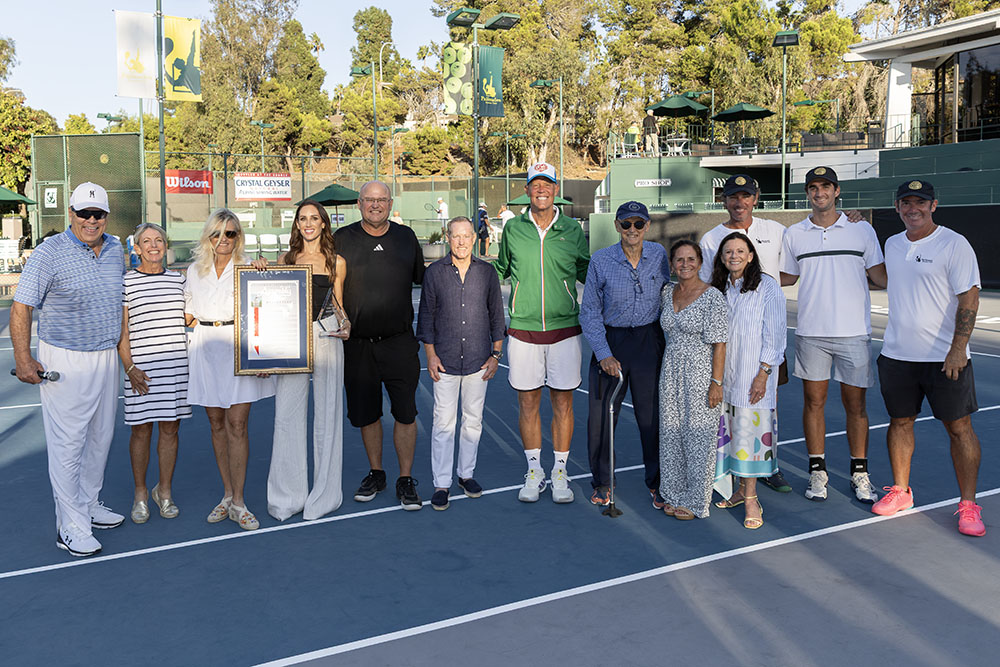
Newport Beach
Newport Beach established its vibrant coastal tennis identity in the late 1940s, rapidly evolving into a premier hub for luxury facilities and high-level athletic competition. Legendary early destinations like the Balboa Bay Racquet Club and the Newport Beach Tennis Club drew Hollywood stars and top international talent, even hosting major global spectacles like the 1977 Davis Cup.
The city’s tennis footprint expanded further with iconic venues like the Palisades Tennis Club—co-founded by actor John Wayne—which hosted the 1997 Davis Cup and served as home to the World TeamTennis champion Orange County Breakers. Driven by dedicated single-sport facilities, adaptive coaching programs, and generations of elite players, the city remains a landmark destination for competitive and social play.
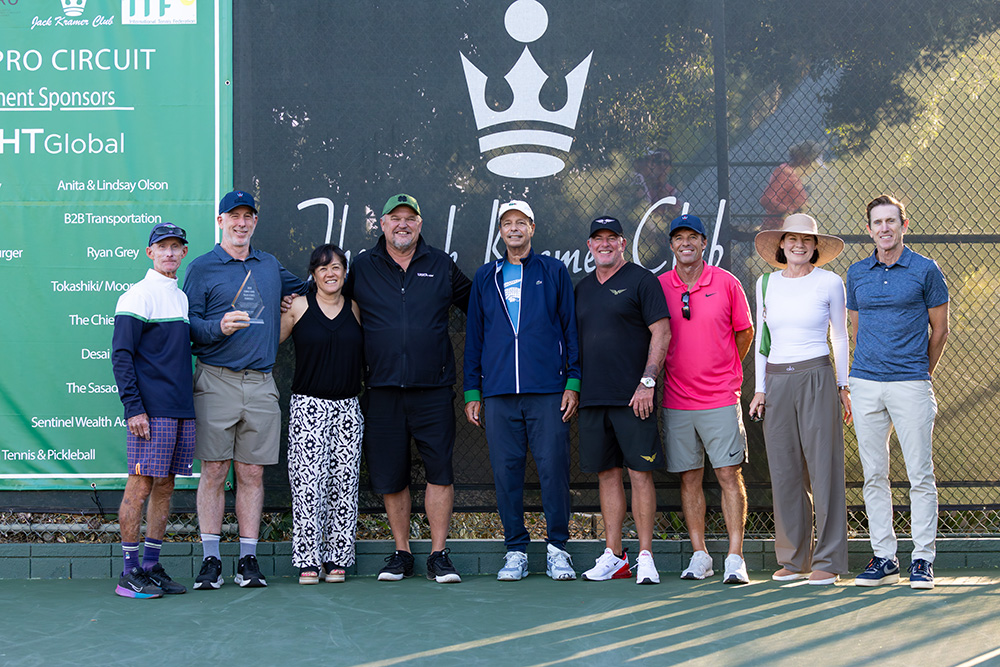
Palos Verdes Peninsula
The Palos Verdes Peninsula has a deep-rooted tennis tradition, built around historic clubs, renowned coaches and generations of homegrown champions. Facilities like the Jack Kramer Club helped develop players including Tracy Austin, Pete Sampras, Lindsay Davenport and Kimberly Po, while the Peninsula’s clubs and public courts continue to provide opportunities for players of all ages.
Today, tennis remains a defining part of the Peninsula’s community through its clubs, public programs, high school teams and longstanding tournaments. The area continues to foster talented athletes while maintaining a close-knit culture that has made tennis an important part of life on the Peninsula.

Coachella Valley
In honor of a century of rich tennis history, which began in the 1920s and 30s as a getaway for Hollywood icons like Marilyn Monroe and Humphrey Bogart, the Coachella Valley is a deserving Tennis Town. Driven by Hollywood’s “Two-Hour Rule,” luxury desert resorts and private social clubs established a deep connection between the entertainment industry and the sport.
Today, the region has evolved into “Tennis Paradise,” defined by ideal winter weather, world-class facilities, and premier events like the BNP Paribas Open at the Indian Wells Tennis Garden. Supported by a strong network of former pros, local coaches, and community advocates, the valley continues to foster a thriving, inclusive tennis ecosystem for players of all levels.
Long Beach
Long Beach boasts a rich tennis tradition that stretches back to the early 20th century, when municipal investments and community groups like the Long Beach Tennis Patrons built a network of accessible public courts. That grassroots system helped fund local players who couldn’t afford entry fees, laying the groundwork for a thriving, citywide tennis culture.
That public court system directly fostered hometown icon Billie Jean King, who picked up her first racquet at a local park before going on to win 39 Grand Slam titles. Together with fellow Long Beach Poly High graduate and Grand Slam champion Vania King, the city remains a vibrant home for tennis through facilities like the BJK and El Dorado Park tennis centers.
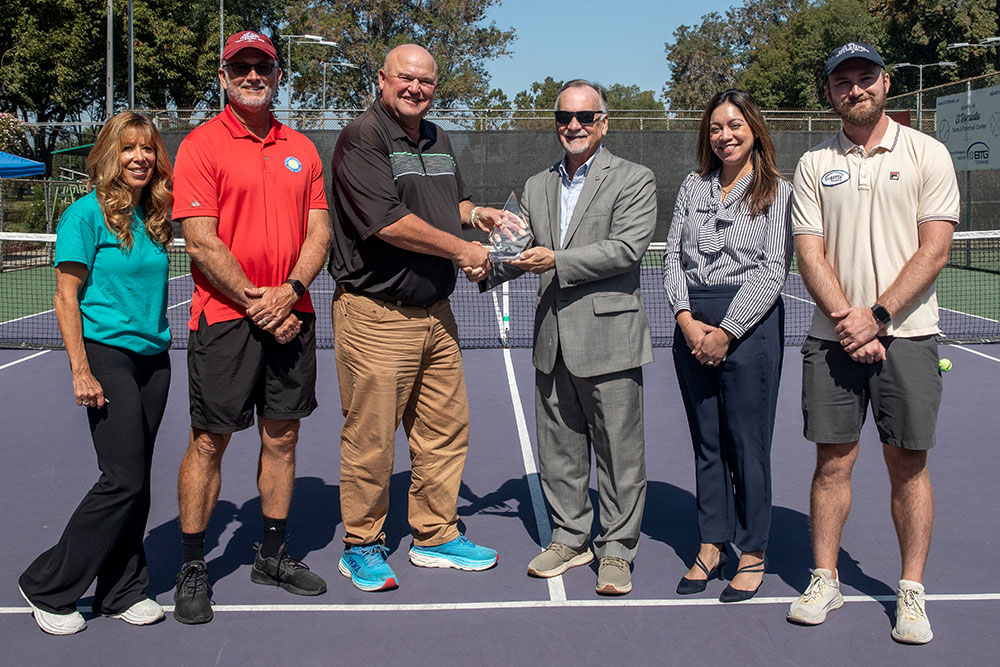

Claremont
Claremont features an extraordinarily high concentration of tennis courts within a few square miles, anchored by public parks, top collegiate programs, and a vibrant local community. At the heart of this landscape is The Claremont Club, a historic 19-acre facility that faced permanent shutdown in 2020 before an outcry from dedicated members spurred a successful revival.
Beyond its premier private club, the city derives much of its tennis identity from powerhouse Division III collegiate teams at Claremont-Mudd-Scripps and Pomona-Pitzer. Local advocates like CMS coach Paul Settles and his wife Kathy further enrich the ecosystem through national family events and non-profit initiatives that introduce the sport to local elementary schools.
Ojai
Ojai maintains one of the country’s most legendary tennis traditions, anchored by its namesake annual tournament that dates back to 1896. Established by the Thacher family, the event transformed the small valley town into a historic competitive destination known for beloved customs like complimentary orange juice and afternoon tea.
Over the decades, Ojai’s courts have hosted 93 future Grand Slam champions—including Billie Jean King, Arthur Ashe, and Pete Sampras—alongside thousands of collegiate and junior competitors. Fueled by hundreds of dedicated community volunteers, the city continues to support the sport through world-class training centers like the Weil Tennis Academy and extensive youth recreation programs.

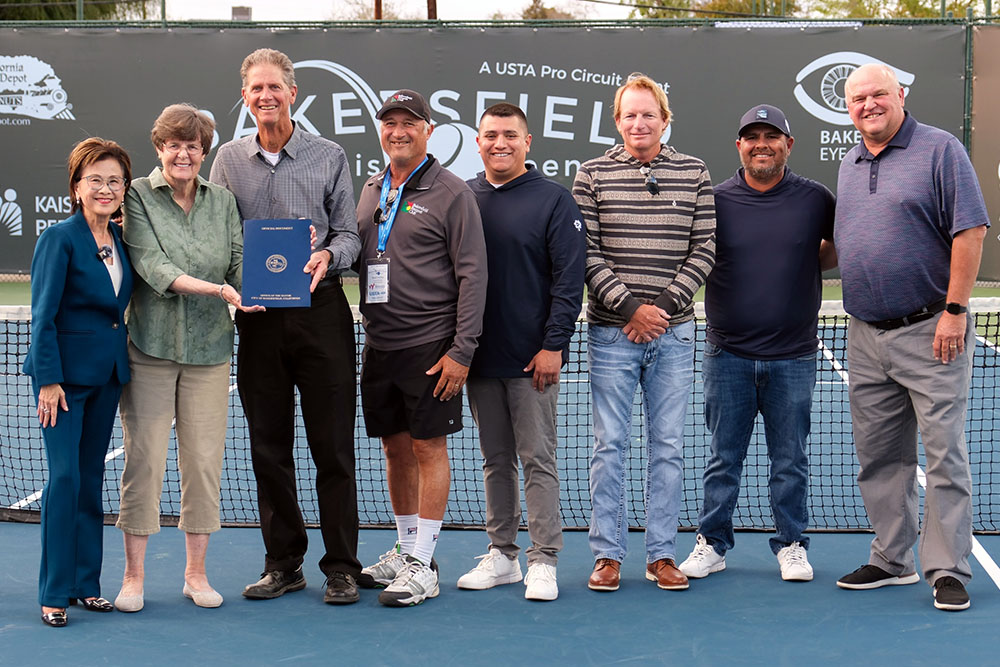
Bakersfield
USTA Southern California is working in neighborhoods which have been disproportionately impacted by violence to provide tennis participation, social and emotional learning, life skills opportunities, and interventions. In partnership with the LA Department of Recreation and Parks, we have identified four neighborhoods and communities of color to target boys and girls ages 8-13 who may have participated in other sports at their recreation sites.
The program, funded through a CalVIP (Violence, Intervention, & Prevention) grant from the State of California Board of State and Community Corrections BSCC, began its inaugural 10-week session on April 10, 2023. Programming will continue through December 2025.