

The Spirit Behind Jeanette Lee’s
Impact on SoCal Tennis
USTA SOUTHERN CALIFORNIA
USTA SOUTHERN CALIFORNIA
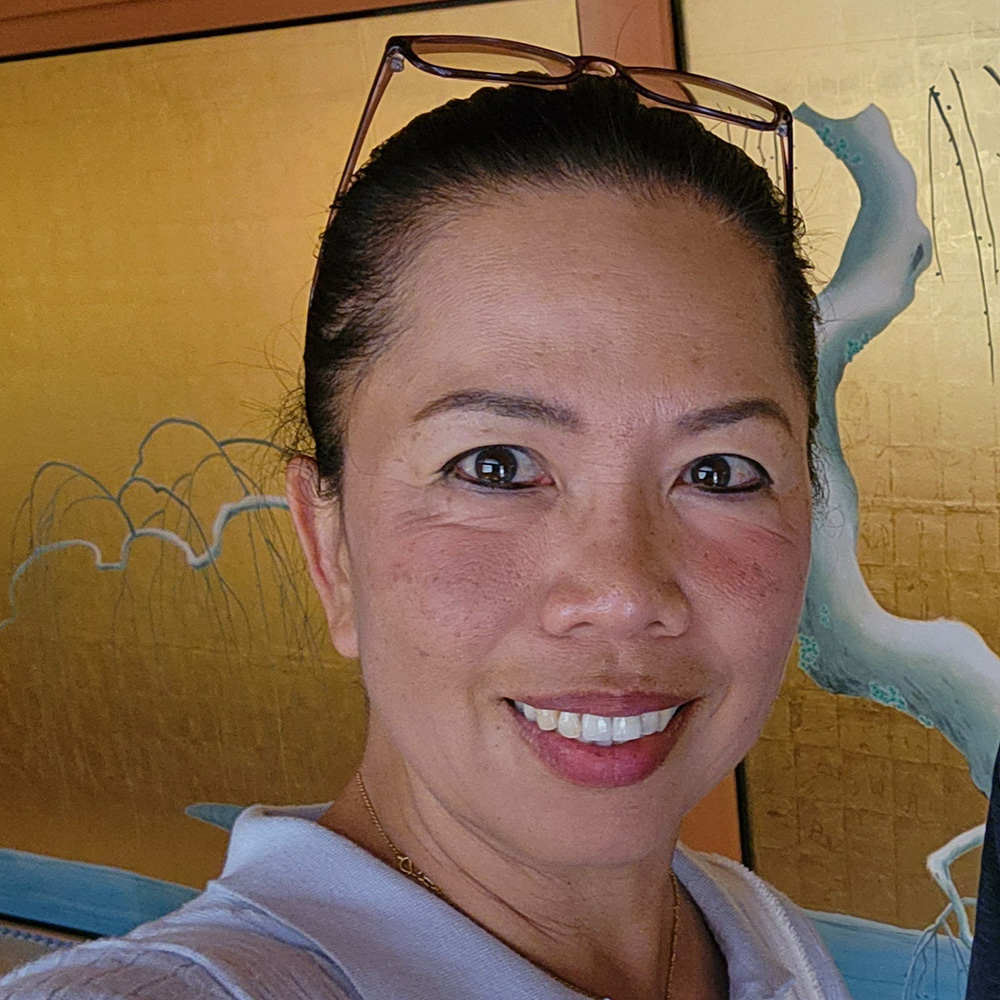
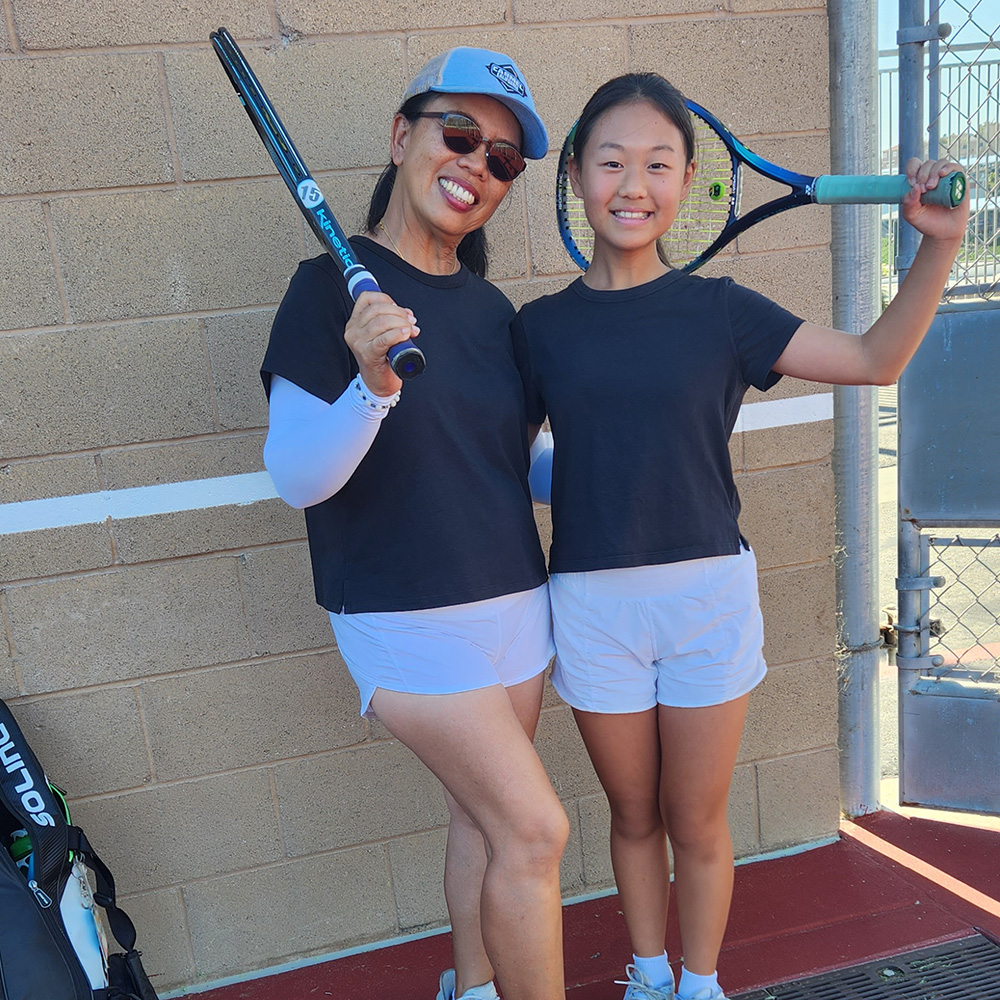
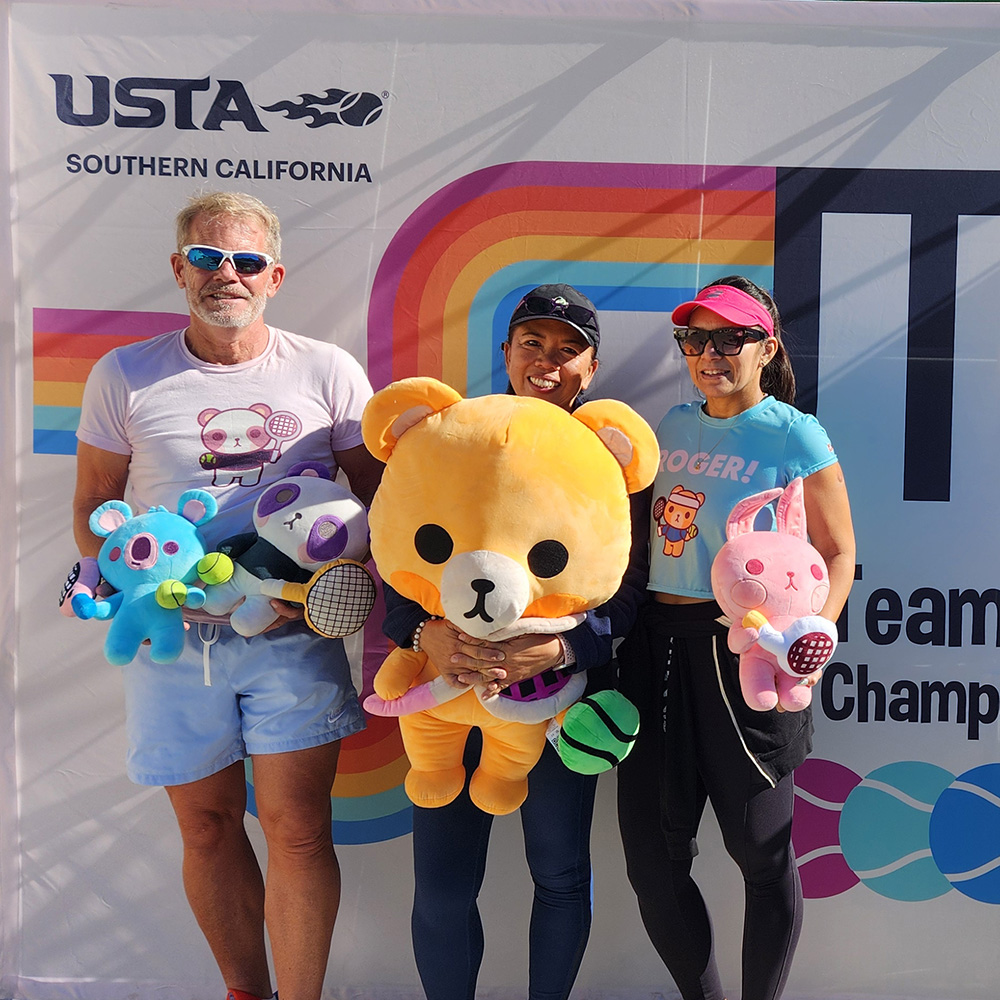
Whether you’ve played Junior Team Tennis (JTT), competed in local tournaments, participated in Adult Leagues, or simply spent time on courts across Los Angeles, the South Bay, and Long Beach areas, you’ve likely crossed paths with Jeanette Lee right in the middle of the action. On any given weekend, she can be found behind a tournament desk, coordinating junior matches, or teaching lessons to new players.
Jeanette truly does a little bit of everything in the local tennis community. She balances her responsibilities as USTA Southern California’s JTT Area League Coordinator (ALC) for several major areas while still finding time to compete locally and hit the courts with friends. Between managing league logistics, coaching on the weekends, and recently co-founding a nonprofit, she is constantly finding new ways to stay involved and give back to the game.
If you ask why she has spent more than a decade volunteering and working in tennis, the answer comes back to three things: her family, her Filipino heritage, and a strong belief that every child deserves the opportunity to play.
Tennis Roots and Family Legacy
Jeanette’s connection to tennis started long before she moved to Torrance. She grew up in the Philippines, where her father first discovered the sport as a ball boy on local courts before introducing the family to it. His love for the game inspired him to teach himself how to play, and eventually, he passed that passion down to his children.
“His love for the game never left him,” Jeanette recalled. “He encouraged all of us to give it a try, and it stuck. To this day, every single one of us has played or is still playing. It was never just a sport in our family; it was something we shared together.”
Years later, when Jeanette had two children of her own, she knew she wanted them to experience that same connection. She enrolled them in JTT so they could compete, stay active, and build friendships through tennis.
At first, Jeanette was just a regular tennis mom supporting her kids from the sidelines. That changed when her children’s JTT coach decided to retire. Jeanette didn’t want the team to fall apart and take away that opportunity from the kids, so she stepped forward and volunteered to coach.
“It happened organically, really,” Jeanette said. “When my kids’ coach decided to retire from coaching JTT, I couldn’t bear the thought of the team disbanding and the kids losing that opportunity. So I stepped up and took on the coaching role myself, and from there, it just kept growing. One thing led to another, and here I am.”
What began as an effort to keep one team together eventually became a way for Jeanette to bring the values of her Filipino-Chinese upbringing into the Southern California tennis community.
Heritage and Culture on the Court
Taking on that leadership role gave Jeanette an opportunity to put her cultural values into practice through tennis.
“My Filipino-Chinese culture is woven into everything I am,” Jeanette stated. “My culture taught me discipline and humility, to work hard without needing recognition, and to always lead with respect. The values I carry from my upbringing, which are family, knowledge, respect, responsibility, and support, show up in everything I do in this community. Growing up with a strong sense of family means I treat every player and coach like one of my own.”
One of the biggest cultural values Jeanette relies on is the Filipino concept of bayanihan, a spirit of community where people come together to support one another. It is a philosophy that influences the way she approaches tennis and youth development to make sure the sport is inclusive.
“I carry that with me onto every court and into every role I take on,” Jeanette commented. “When I see a kid who has no team, no club, and no resources, my instinct is to help, and I truly believe that comes from the way I was raised. In Filipino culture, you don’t leave people behind. You bring them with you.”
Making a Way for Independent Players
This mindset is exactly how Jeanette ended up taking underfunded, independent teams all the way to the national stage. In junior tennis, players who are not affiliated with a country club or don’t belong to a private academy often face challenges finding a team to play on. Whenever parents contact her looking for opportunities for children who want to play but don’t have a home club, Jeanette works to find a place for them on the court.
“One thing that’s always been close to my heart is making sure no kid gets left behind,” Jeanette shared. “Even now, when I get inquiries from kids who want to compete but don’t have a club or a team to call home, I bring them together and we make it work. In over ten years of coaching JTT, I’ve taken two of those teams all the way to Nationals, and both times, they made it to the finals. These weren’t kids from prestigious private clubs. They were kids who just needed someone to believe in them, and watching them compete on that stage is something I will always be proud of.”
Her commitment to growing the game eventually led her to become the Area League Coordinator for three major regions in Southern California. Managing coaches, parents, and schedules for a booming youth league is a lot of work. Jeanette admits it can be challenging, but she views each challenge as an opportunity to learn and grow as a leader and communicator.
Her desire to expand access to tennis for kids also inspired her to co-found the One Vibe Foundation with a couple of friends in 2025. The nonprofit’s mission is to create opportunities for children who may not otherwise have the resources or access to the sport.
“I’ve always had a deep desire to help kids who don’t have the resources to access this sport,” Jeanette added. “Through our events, we’ve already been able to make that happen for some of those kids, and that means everything to me. It’s what I always envisioned being able to do.”
The Importance of Representation
Los Angeles is one of the most diverse regions in the country, and Jeanette believes sports provide a powerful platform for conversations about culture, identity, belonging, and diversity.
Being a visible leader of Asian heritage matters to her because it allows young players to see themselves represented within the sport and gives them someone to look up to.
“It means a great deal to me,” Jeanette shared. “There’s still so much ignorance in the world, and as a leader of Asian heritage, I feel a real responsibility to use that voice—especially with young people. We’re in Los Angeles, one of the most diverse cities in the country, which is a gift. Sports give us a platform to teach the next generation about culture, identity, and the value of diversity in a way that truly resonates.”
Right now, representation for Filipino players is growing globally, fueled in part by the rise of professional tennis star Alex Eala. For Jeanette, seeing a Filipina player succeed on the world stage is incredibly meaningful, and she sees that impact directly in Southern California.
“Her rise means so much,” Jeanette commented. “She represents a shift. Filipinos are no longer just participants in this sport, we’re contenders on the world stage, in a game that has long been dominated by Western nations. And yes, I absolutely see her influence on the court. There are more and more Filipino kids coming into the sport, and when you talk to them, you can feel that she’s a part of why. She made them believe it’s possible.”
By seeing role models like Eala on television and having leaders like Jeanette in their local communities, young players can feel like they truly belong in the sport. Jeanette hopes her own journey helps continue that progress.
“I hope my story inspires others to think the way I do, to keep growing the game and to make sure kids, especially within our culture, feel welcomed and seen in this sport,” she stated. “If even one person sees what I’ve done and decides to step up in their own community, that’s more than enough for me.”
Staying Motivated
When you look at everything Jeanette does, including playing in leagues, fundraising, coaching, and coordinating, it seems like a massive balancing act. But for her, the explanation is simple.
“I love it. Every single part of it brings me joy,” she shared. “When something doesn’t feel like work, you just keep showing up, and that’s exactly how I feel about tennis and this community.”
At the end of the day, her main motivation is just seeing the impact on the kids. She loves seeing their faces light up when they compete, hearing about their personal journeys, and watching them grow up over the years.
For any young players or families who are just starting out in Southern California tennis, Jeanette has one clear piece of advice.
“Trust the process, and enjoy the journey. Don’t rush it. Some of the most beautiful things about this sport reveal themselves over time. So stay the course, stay curious, and have fun with every step of it.”