

Remembering Gordon ZawTun
USTA SOUTHERN CALIFORNIA
USTA SOUTHERN CALIFORNIA
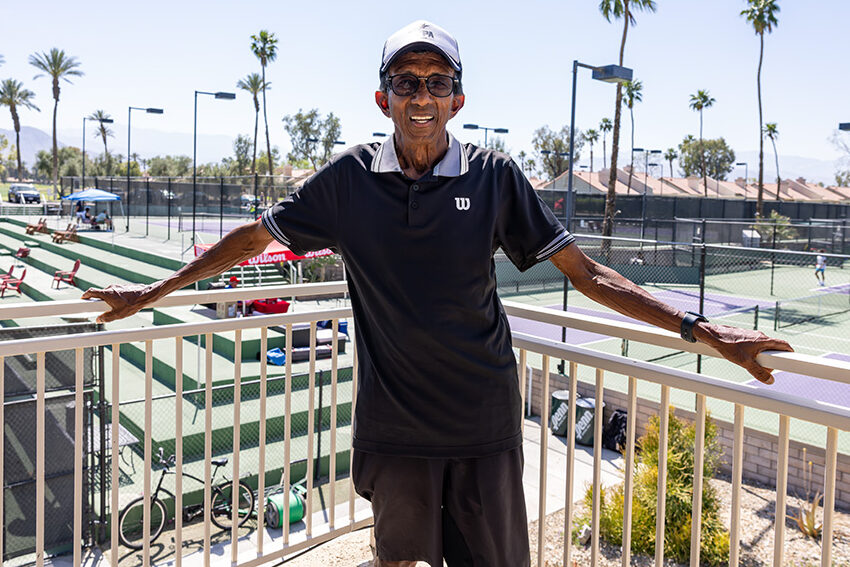
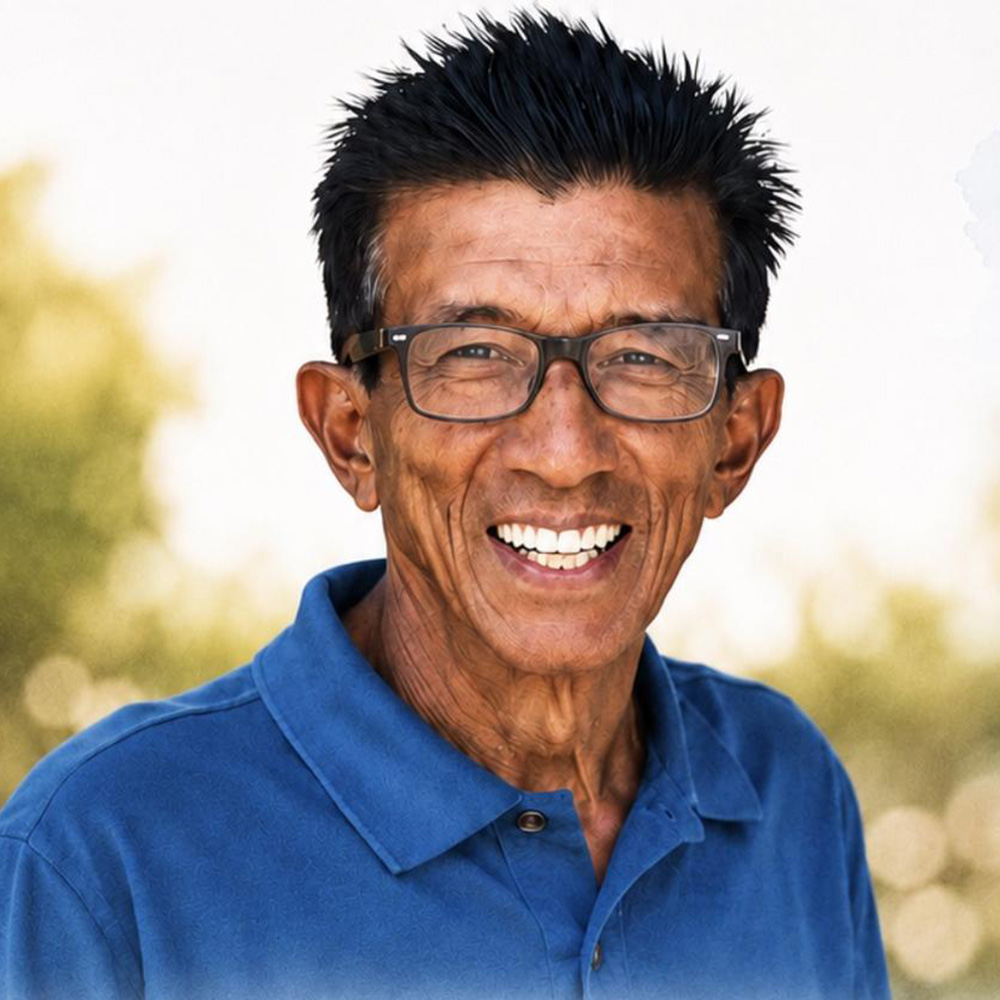
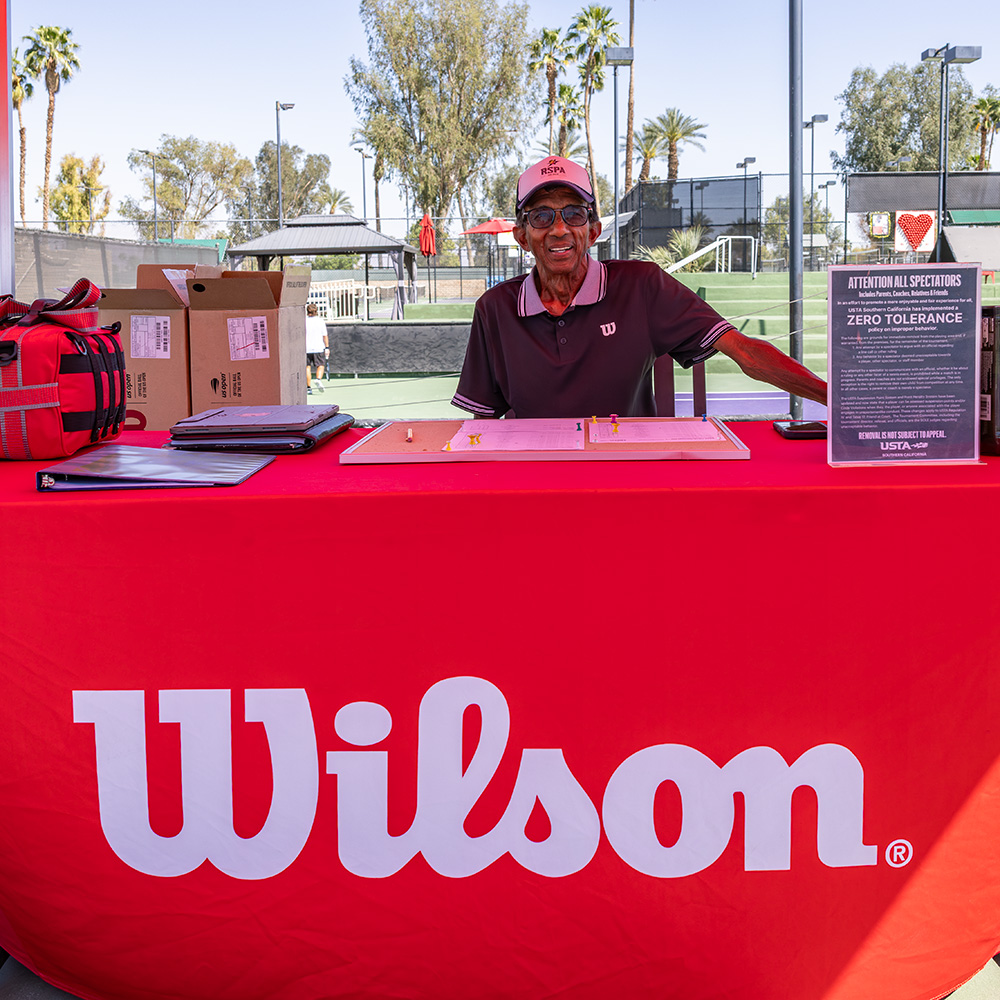
There are people who inhabit a tennis court, and then there are people who give a tennis court its soul. Gordon ZawTun was, by every definition, the soul of the Coachella Valley tennis community. To look at his career is to see a resume of excellence—Director of Tennis, Elite Professional, Tournament Director—but to know the man was to understand that his real work wasn’t written in brackets or schedules. His real work was written in the confidence of a junior player, the warmth of a morning greeting, and the steady, humble kindness that became the bedrock of every club he touched.
It is with deep sadness that we share that Gordon passed away on April 30, 2026. His departure leaves a void in the desert that the sun cannot fill. Yet, as we look back on his life and legacy, we find a man who not only taught a sport; he built a family.
The Professional Standard
Gordon’s impact on the USTA Southern California landscape was monumental. For 23 years, he was the face of the Palm Valley Country Club, where he served as the Director of Tennis. Under his watch, the club became a destination for local and traveling players alike, both to compete and train and to interact with Gordon. He was the primary architect of the L3 Henry Talbert Junior Championships, serving as its director from its inception in 2015 through 2021.
Ken Grassel, who worked closely with Gordon for years before eventually stepping into his shoes to run the Henry Talbert Junior Championships, remembers him as the “ultimate professional and host.”Their partnership spanned some of the most significant events in the region.
“I knew Gordon best during his many years at Palm Valley,” Ken recalls. “I worked with him on many Junior Team Tennis (JTT) Section Championship events from 2012 through 2019, and then with the Henry Talbert from its inception in 2015 through 2021. Gordon was always such a gracious host. He wanted every event to be the best it could be, and he cared about the junior players so much. Whenever I think of Gordon, I remember his smile and that calm demeanor he maintained whenever we worked together.”
Between those JTT Sectionals and the high-level L3 tournaments, Gordon navigated the logistical chaos of hundreds of players with a steady hand that became his trademark. While his departure from Palm Valley in 2021 was felt deeply by his colleagues, the standard of excellence he set remained the benchmark for the desert.
A Mentor to the Next Generation
While many directors get caught up in administrative responsibilities or the politics surrounding club rankings, Gordon’s heart always remained with the players, especially the juniors. He understood that a tennis coach does far more than teach the game, they help shape a child’s character.
Dianne Matias, Director of Junior Tennis at USTA Southern California, witnessed this evolution firsthand, having known Gordon since her own days as a young competitor.
“I’ve known Gordon since I was a junior player myself,” Matias mentions. “Back then, he was the coach who was always there, traveling to every tournament and showing a level of dedication to his students that went way beyond just tennis—he truly cared about who they were off the court, too.”
In later years, that personal dedication scaled into a regional mission. “I got to know him more on a professional level, and it was clear that he was the driving force behind getting junior tennis going again in the Coachella Valley,” Matias continues. “We would talk about running non-sanctioned tournaments, and for him, it was never about anything other than the grassroots mission of giving kids the opportunity to play. He just wanted to see them out there on the court. Gordon was a moving force for junior tennis, not just in the Coachella Valley but across our entire section. He will be deeply missed.”
Marirose Smith, a parent in the junior circuit, captured the sentiment of many when she noted the “profound influence” Gordon had on her daughters and the entire junior community. “You leave a huge void behind,” she shares, echoing the feelings of hundreds of parents who watched their children grow up under Gordon’s watchful eye. He didn’t just want them to be champions; he wanted them to be good people. He led by example, showing them that competitive fire and gentle kindness could live in the same heart.
Even after he moved on from Palm Valley in 2021 to join the Palm Desert Resort Country Club (PDR) family, his mission remained the same: to help, to teach, and to uplift.
Margeret Fritz, mother of adaptive tennis player Mathew Fritz and wife of the late Harry Fritz, shares this remembrance of Gordon: “Gordon has been our friend for over three decades. He was the most selfless person I know — from buying a van so he could drive juniors to events, to giving equipment and lessons to those who couldn’t afford it. In my husband’s final months he organized a place for Harry in a men’s doubles event with a younger player that would do all the running and as Harry was passing Gordon talked to him for hours, convinced that Harry could hear him. He was so patient and encouraging to everyone, especially to my handicapped son who will sadly miss his lessons with Coach Gordy. I believe he is in heaven talking to Harry and other tennis players. Tennis was his life and will be sadly missed by all of those whose life he touched.”
The Man Behind the Whistle
If you ask anyone what they remember most about Gordon, they won’t talk about tournament draws or club budgets. They will talk about his presence.
“He always had a smile and a warm greeting,” Ken Grassel observes. Even when things were busy, even during the heat of a desert afternoon or the stress of a major event like the Easter Bowl, Gordon was present. He was the kind of man who made you feel seen.
For Marvin Cantos, the bond with Gordon evolved quickly from a student-teacher dynamic into a genuine friendship. After meeting through a mutual friend for lessons, Marvin soon discovered that Gordon’s dedication didn’t switch off when the clock ran out. He was the rare kind of mentor who could be an exacting, brilliant technician one moment and a laughing confidant the next, proving time and again that his excellence on the court was always secondary to his humanity.
“He was very generous with his time and his knowledge of the game,” Marvin says. “Between the lessons and seeing him at the courts, he would reinforce our lesson time when I had upcoming matches or just while playing. He was an excellent teacher, but more importantly, a very nice man. Gordon was kind to everyone and was willing to help anyone who asked him for a lesson or even a tip. Although I didn’t know him very long, every time I saw him he was very nice and we always joked about things. He’ll be missed by the tennis community and the PDR family.”
A Legacy of “Quiet Greatness”
Gordon was born in Rangoon, Burma (now Myanmar), and that journey from Southeast Asia to the California desert speaks to a man of incredible resilience and adaptability. He took the values of hard work and community and planted them deeply in the soil of Rancho Mirage and Palm Desert.
In a sport that can often become focused on rankings and ego, Gordon was an outlier. He was a “treasure,” as his peers called him, because he remained humble. He was the first to arrive and the last to leave. He was the one moving water coolers, checking nets, and offering a word of encouragement to the kid who just lost a heartbreaker in the third set.
The Final Set
The Coachella Valley tennis landscape feels noticeably different today. There is a quiet on the courts at Palm Valley and PDR that marks the absence of a man who was a constant, stabilizing presence for so many years.
To honor Gordon’s legacy is to simply continue the work he did every day. It’s found in the small gestures he mastered: the warm greeting offered to a newcomer, the unsolicited tip given to a struggling player, or the meticulous care he brought to every tournament he directed. He set a standard for professionalism that never required him to sacrifice his kindness.
Gordon was a fixture of the desert, and his influence reached far beyond the baseline. He showed the Southern California tennis community that a professional legacy isn’t built on trophies or titles, but on the way you treat people. If the measure of a life well-lived is the number of people who smile at the mention of your name, then Gordon’s life was an extraordinary success.
Celebration of Life
A celebration of Gordon’s life will be held on May 30th at 10:00am at Wellspring Church in Indian Wells, California. For more information and to share your own memories, please visit his Memorial Page.