

Mental Health Tool You Are Not Using
USTA SOUTHERN CALIFORNIA
USTA SOUTHERN CALIFORNIA
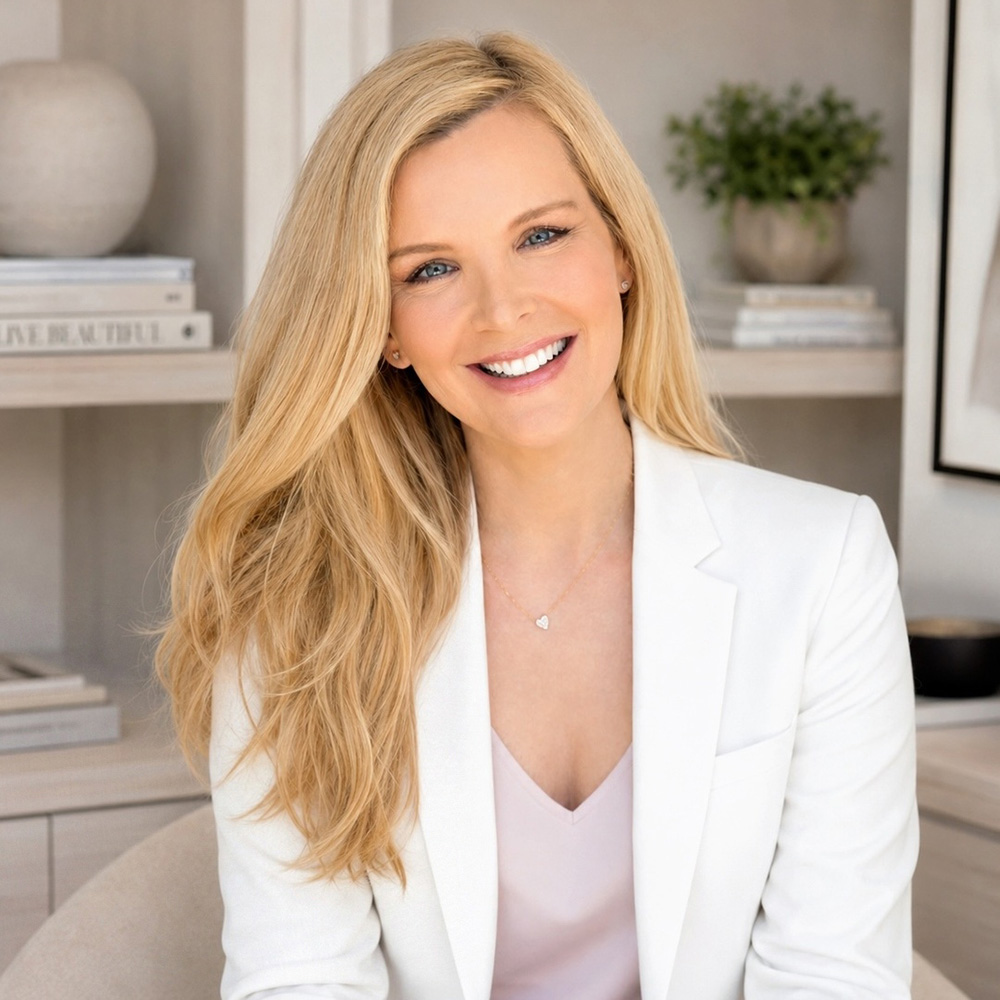

Top: Susan Zinn, The Heart Therapist™.
Middle #1: Susan Zinn at Arthur Ashe Stadium during the US Open.
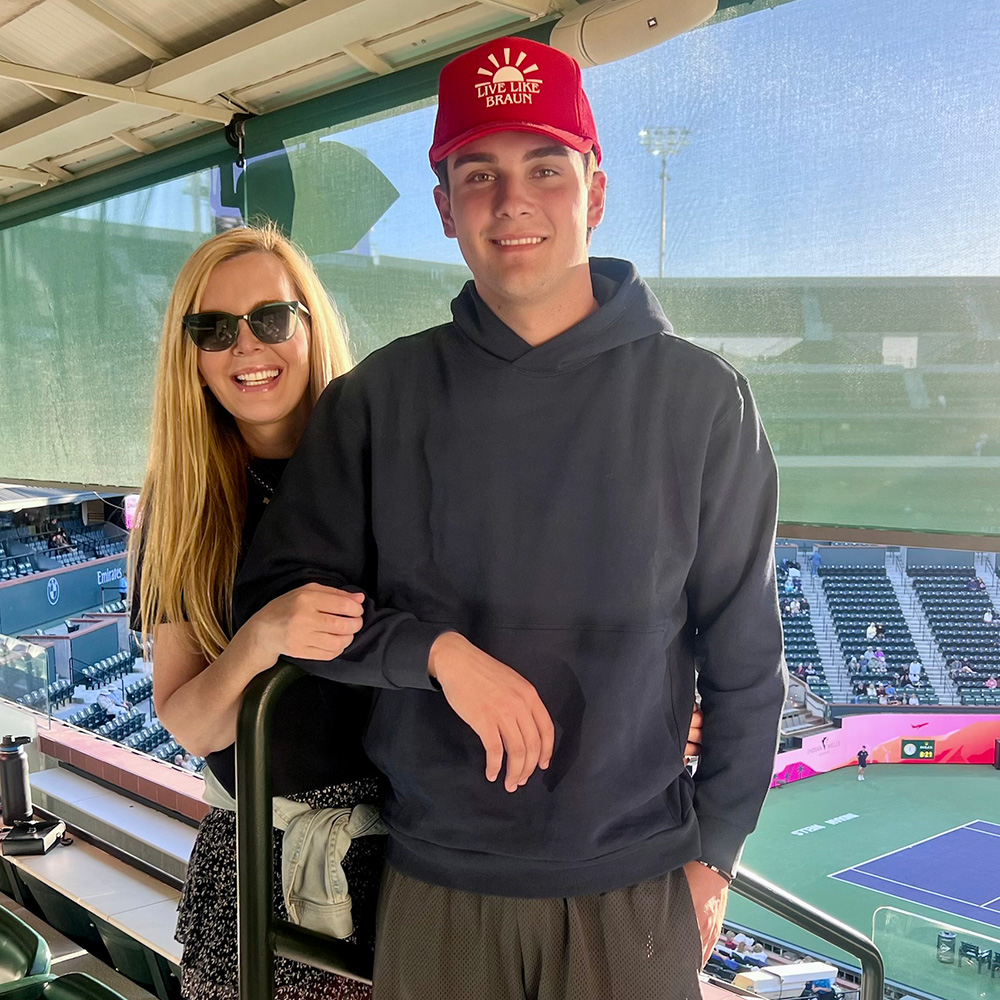
Middle #2: Susan and her son Jackson pose together at the 2026 BNP Paribas Open.
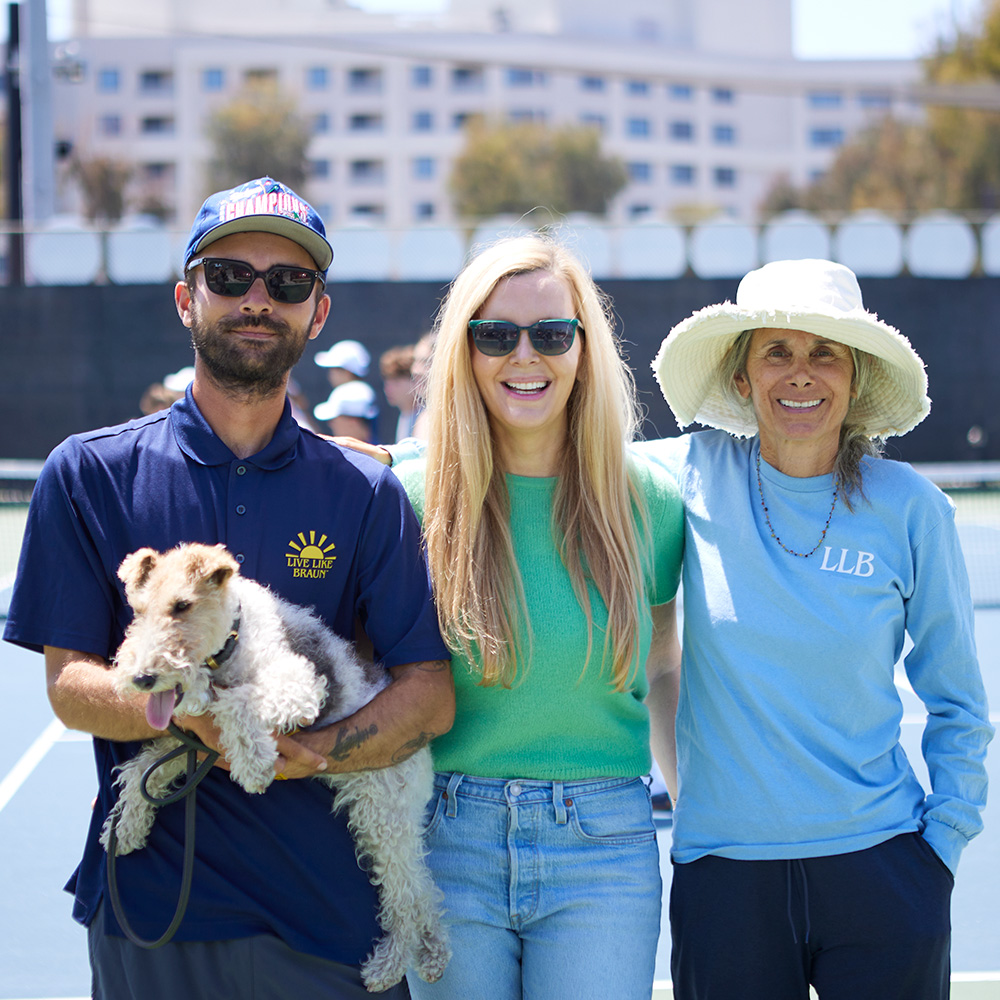
Bottom: Henry Mahdessian, Susan Zinn, and Debbie Mahdessian smile together on a sunny tennis court at Santa Monica Tennis Collective. (Photo – Ted Mahdessian)
Studies show that tennis is the world’s healthiest sport, with research linking regular play to nearly a decade of added life expectancy. But beyond the physical benefits like cardiovascular health and total body fitness, it also fosters mental and emotional well-being—such as better life satisfaction, community connection, self-confidence, resilience, and mental health. Each May, two of these observances intersect: National Tennis Month and Mental Health Awareness Month. On the surface, they may seem separate, but step onto a tennis court, and it quickly becomes clear that the two are deeply intertwined.
Few understand this connection better than licensed psychotherapist, national clinical counselor, certified trauma and eating disorder specialist, executive board member of UCLA’s Friends of Semel Institute, founder of Westside Counseling Center, and Southern California tennis parent, Susan Zinn. Known as “The Heart Therapist™,” she has spent decades working at the intersection of mental health and sports performance—helping shift the narrative from treating mental health as a crisis to normalizing it as an everyday reality.
A Natural Antidote to Stress
In a world where stress and burnout are increasingly common among sports, tennis can be “a mental health intervention,” Susan says. “Many people don’t think about tennis as having mental health benefits, but it certainly can. It combines aerobic activity, cognitive demand, social interaction, and nervous system regulation.”
This combination is what makes tennis unique, effectively regulating the nervous system while elevating the heart rate in a continuous cycle. Susan points to a fascinating neurological benefit: the bilateral visual movement of tracking a tennis ball activates the same eye movement mechanism used in EMDR therapy, one of the most evidence-based treatments for trauma recognized by both the WHO and the APA. While it doesn’t replace therapy, this dual attention keeps the prefrontal cortex—the part of the brain that often goes “offline” under pressure—more fully engaged.
There’s a built-in reset button happening in your body, constantly balancing challenge and reward as you navigate point after point. This is what Susan describes as “productive adversity,” or the ability to experience setbacks while practicing recovery.
“Tennis gives you repeated failure in a contained environment,” she explains. “You lose points, games, and matches, then reset and go again. That repetition builds distress tolerance, the clinical capacity to experience discomfort and recover from it. That skill transfers directly to every hard moment in life that has nothing to do with a score.”
She continues, noting the physical sensations we feel during heightened moments on the court are not just emotions, but also information the brain processes to make real time decisions. “Tennis teaches you to stay in the game when things are not going your way. What you feel in your body during a match is not noise. It is data,” she remarks.
Training the Heart in Real Time
This mind-body connection is central to Susan’s philosophy. As “The Heart Therapist,” she focuses on “accessing the intelligence of the heart” by “working at the intersection of what people feel in their bodies and how they think, perform, and relate.”
“The heart is constantly sending signals to the brain that shape how we respond, especially under pressure,” she notes. Performance and emotional regulation are deeply tied to physiological signals like heart rate, breathing, and muscle tension. Learning to recognize and respond to those signals can make the difference between feeling overwhelmed and staying grounded.
In tennis, learning to regulate your nervous system separates the mentally strong from the rest. “A player can know exactly what to do, but if their nervous system is overwhelmed, they tighten, rush, or shut down. That is not a lack of skill. It is a lack of regulation,” she shares.
For Susan, this connection is deeply personal. In 2018, she underwent three heart surgeries and knew she needed to make a change to her high-stress, survival-mode lifestyle. She knows firsthand that the heart is not just a pump, but a foundation of how we feel alive.
“My work is helping people learn to read those internal signals and respond to them rather than override them,” she says. “When that connection is restored, people feel more present, more grounded, and more like themselves, both on and off the court. The players who look mentally strong are not just thinking differently, they are regulating differently. That is the work.”
Reconnecting with “Heart Qualities”
There’s a saying that athletes are built different. Their talent often seems unattainable to the masses and their work ethic equally high-functioning. On the surface, they appear successful, happy, and living the dream. Yet that’s not always the case. While these athletes may be operating at a high level, internally they could feel disconnected or shut down from the life they’re actually living.
This is a phenomenon Susan calls “functional freeze.”
“It is a survival state where life is working on the outside but not being fully felt on the inside,” she shares. “It shows up in athletes, coaches, parents, leaders, and teens, because these patterns do not stay contained within one person. They shape how we relate, how we perform, and how we lead. According to PubMed Central, research confirms that between 20 and 35 percent of elite athletes experience clinically significant anxiety, depression, or distress, particularly around injury or career transition. And those numbers only reflect what gets reported.”
Susan encourages players, especially young athletes, to reframe how they function daily and instead learn to reconnect with what she calls “heart qualities: genuine joy, real connection, and the feeling of being fully alive.”
The ability to exit out of a functional freeze relies on acknowledging and managing your nervous system’s signals rather than attempting to suppress them. “Your nervous system is not the problem,” Susan shares. “It is trying to protect you. Performance anxiety is not weakness. It is activation.”
Turning your anxiety into positive regulation is key to resetting your mind and body. To help athletes move from anxiety into regulation, Susan emphasizes practical tools that can be used both on and off the court.
“First, regulate before you compete. Breathing is a highly underrated and completely free regulation tool. Simply slow your exhale longer than your inhale. That single breath pattern activates the parasympathetic nervous system and signals safety to the body before you ever step on court. Second, reset between points with intention. Create a simple routine: bounce the ball, take one breath, pick one target, and repeat it every single time. That ritual interrupts the stress response and gives your nervous system a moment to recover between points rather than compound the pressure. Third, lean into your community. Build your system of mentors, peers, and people who have been where you are going. You cannot regulate in isolation. Connection is part of the prescription.”
Built-In Community
Beyond its physical and cognitive benefits, tennis offers something equally important: a “vertical community,” as Susan calls it. “You are not just connecting with your peers, but with coaches, mentors, parents, and younger players coming up behind you. That intergenerational web of relationships is rare in sports, and it is deeply protective of mental health.” Research confirms that the social support built within these environments directly reduces depressive symptoms and fosters the belonging necessary to counter loneliness.
Susan has seen this firsthand through her son Jackson’s experience growing up in the Southern California tennis community. From early team tennis competing in tournaments to building friendships, the sport provided a social safety net that Susan views as the ultimate antidote to isolation.
“One of the most beautiful things about Southern California junior tennis is how early the community forms and how long it endures,” she states. “But it only works when the community is built around people, not just performance. I see too many kids burn out around age thirteen because the joy has been replaced by scorecards.”
“Belonging is not a soft outcome, it is a clinical one,” she continues. “Young people who feel genuinely connected to a community are more resilient, recover faster from setbacks, and are significantly more protected against anxiety and depression.”
This resilience is vividly reflected in how the community honors Braun Levi, a beloved junior player whose impact remains a central part of their shared story. “Braun was adored not only for his athletic talent but for his warmth and genuine enthusiasm. Losing him left a mark on the entire community that words cannot fully capture,” Susan remarks.
Rather than focusing on loss, the community has channeled his spirit and kindness into a movement of active support. Jackson and many of Braun’s friends honor him daily—some even getting “LLB” tattoos—while his legacy fuels the Live Like Braun Foundation. By providing scholarships and helping to rebuild public tennis facilities, the foundation inspires people to “live big and love hard,” turning personal connection into a community-wide resource for resilience. Braun’s spirit of showing up continues to inspire, with this year’s 2nd Annual LLB Memorial Tournament held on August 8th to celebrate his birthday and bring the community together through camaraderie and tennis.
This spirit of showing up is what makes Southern California tennis a premiere mental health tool. Susan points to local leaders like Pam Shriver, whose Village Rising Foundation continues to work to restore the Palisades Tennis Center after the fires, ensuring a cornerstone of community remains intact. She also highlights the Santa Monica Tennis Collective (SMTC), a nonprofit that acts as a “third home” where young people are encouraged to grow, lead, and give back. “This is what SoCal tennis does,” Susan says. “It shows up.”
Advice for Parents and Coaches
Emphasizing the experience over outcome is also an essential practice for tennis parents and coaches. “Change the question you ask after a match. Instead of ‘Did you win?’ try ‘How did your body feel out there?’ or ‘What are you proud of today?,’” Susan shares. “That single shift begins building emotional regulation and self-awareness over time. It signals to your child that you value who they are over the score.”
When a parent or coach fixates on the score, it can often cause a young player to put excessive pressure on the result rather than the journey. “We are working against our own children when we narrow the focus too early,” she emphasizes. “The process is the point. The friendships, the mentors, and the lessons in losing with grace and winning with humility—those are the returns that last a lifetime.” She points to the SMTC as a model—that prioritizes character over ranking. “Trophies collect dust. Character does not.”
A Holistic Experience
Not only should tennis focus less about winning, but it should also be about developing the whole person. This way of thinking is increasingly important in a culture that often places significant emphasis on tying a person’s worth to their performance. When this holds too much weight, factors such as your mental and emotional state can become negatively affected during play.
“Most people approach tennis as a performance problem when it is actually a nervous system opportunity,” she notes. “When you shift from controlling the outcome to listening to your body, tennis becomes more than a sport. It becomes a direct pathway out of survival mode and back into yourself.”
This is a conversation Susan believes our society must continue having, as integrating and normalizing mental health into the culture of tennis “will raise a generation of players who are not just better athletes, but more fully alive human beings.”
Mind-Body Connection
The implications extend well beyond the court. As the science of longevity shifts from purely physical metrics toward cognitive resilience and neurological health, tennis is quietly emerging as one of the most complete brain-body interventions available—no prescription required. A 2019 study published in Mayo Clinic Proceedings found that tennis players lived an average of 9.7 years longer than sedentary individuals, the highest longevity gain of any sport studied. Combined with what we now understand about bilateral stimulation, prefrontal engagement, and the mental health benefits of vertical community, the sport isn’t just keeping people fit. It’s keeping them neurologically young. “We’ve been underestimating tennis,” says Susan. “It’s not just a game. It’s one of the most evidence-based things you can do for your brain.”
Ultimately, Susan believes that if we integrate and normalize mental health into the culture of tennis, we will raise a generation of players who are not just better athletes, but more fully alive human beings. As National Tennis Month and Mental Health Awareness Month come together, we’re reminded that tennis is a powerful tool for supporting healthier, more authentic lives for everyone, not just high-level athletes.
For Susan, the visit is clear: she wants people to feel truly alive, not just functional or surviving. “Tennis gives people something they are quietly starving for right now: a way to feel fully alive. But that only happens when we protect what makes the sport powerful,” she emphasizes. “Connection over comparison. Regulation over pressure. Community over ranking. Play for the sensation first. The results follow.”
___
To learn more about Susan’s mission and practice, visit susanzinntherapy.com or @susanzinntherapy on Instagram.